





























Half Saree vs Full Saree: What is a Half Saree Ceremony & When to Wear Each?
The beauty of Indian cultures lies in the feelings that one invokes when celebrating an auspicious moment. And here, an attire is more than just fabric-it’s a reflection of tradition, milestones, and identity. One such beautiful tradition is the half saree ceremony, a symbolic celebration of a girl’s transition into womanhood. While sarees have always been a timeless garment, the concept of a half saree holds a unique cultural and emotional value, especially in South Indian households.
This ceremony not only celebrates growth but also showcases vibrant attire, rituals, and family bonding. With changing times, the way we celebrate has evolved, but the essence remains the same. In this blog, we’ll explore what a half saree ceremony is, half saree vs full saree, its rituals, half saree function dress ideas, and when to wear each, making it the ultimate guide for anyone curious about this cherished tradition.
So, What is a Half Saree Ceremony?
The Half Saree Ceremony, often called Ritu Kala Samskara, Pattu Pavadai Dhavani, or Langa Voni Ceremony, is a milestone that marks a young girl’s transition from childhood to adolescence.
Unlike birthdays or festivals, this occasion carries deep cultural meaning. It usually takes place after a girl’s first menstrual cycle, which is considered a significant and auspicious event in Indian tradition. The ceremony celebrates her growth and maturity while gently preparing her for the responsibilities of womanhood.

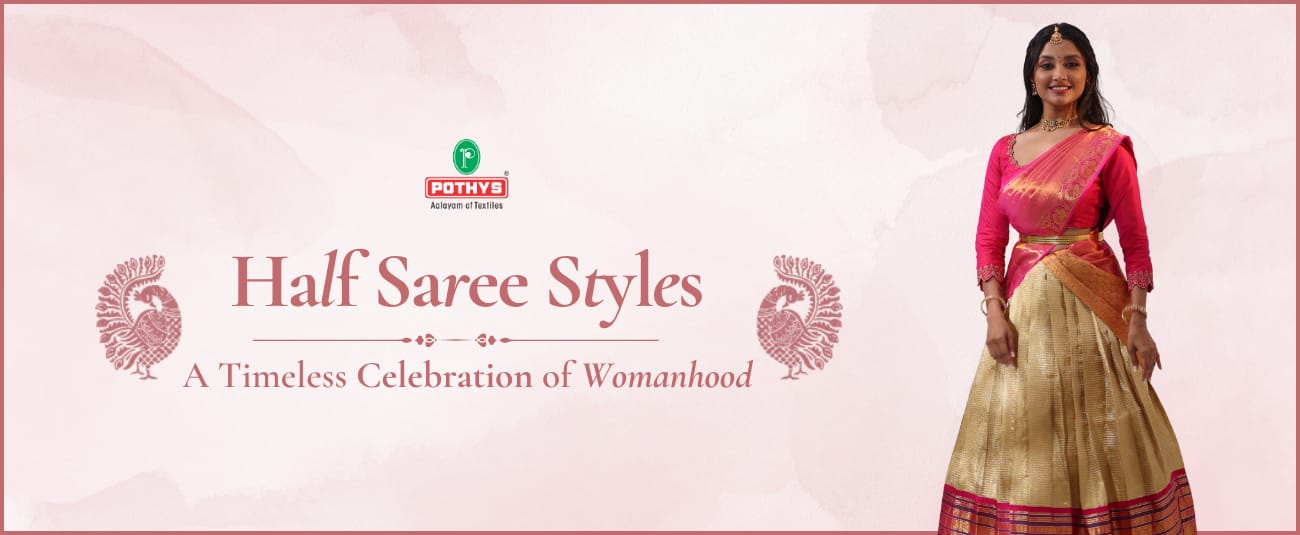
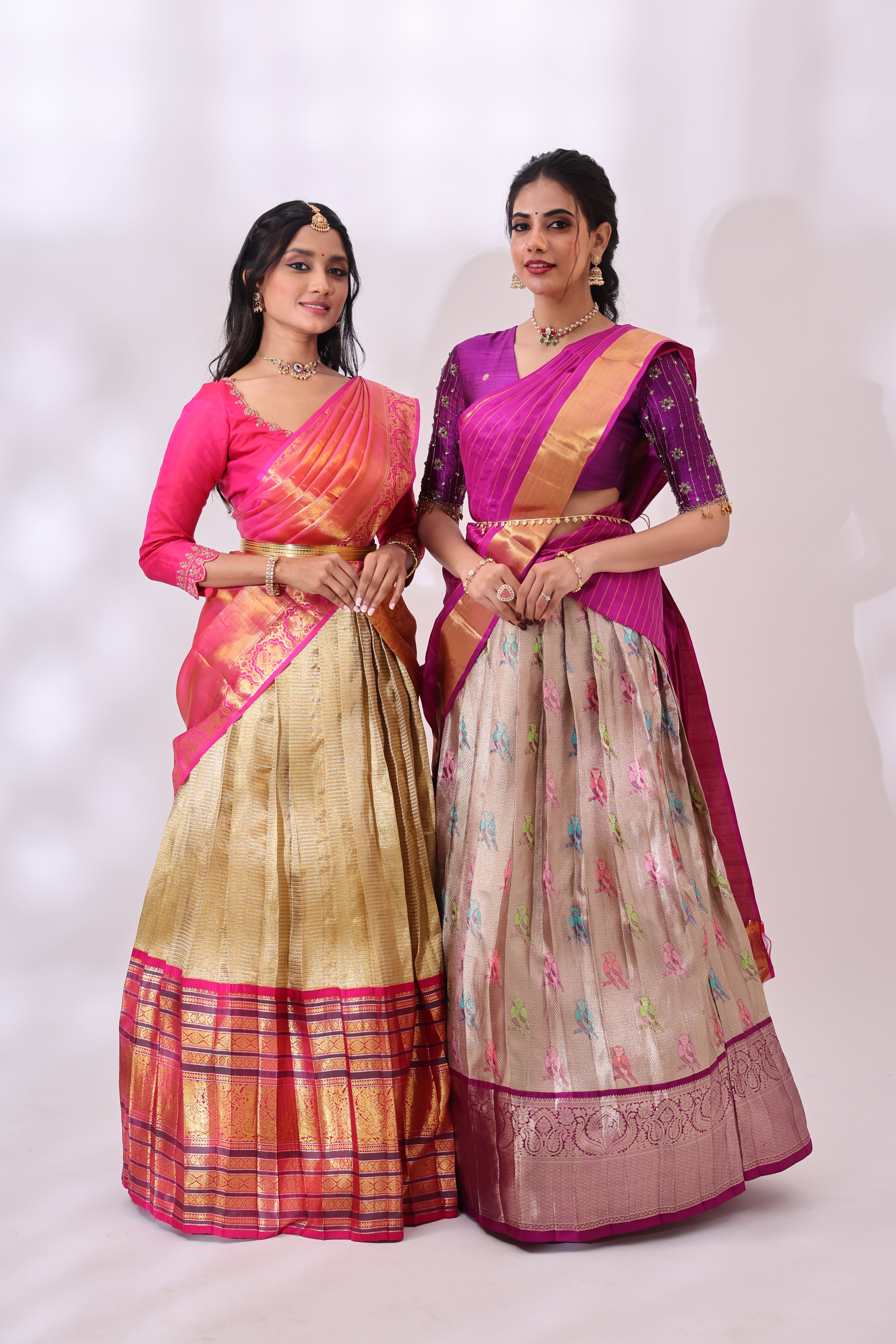
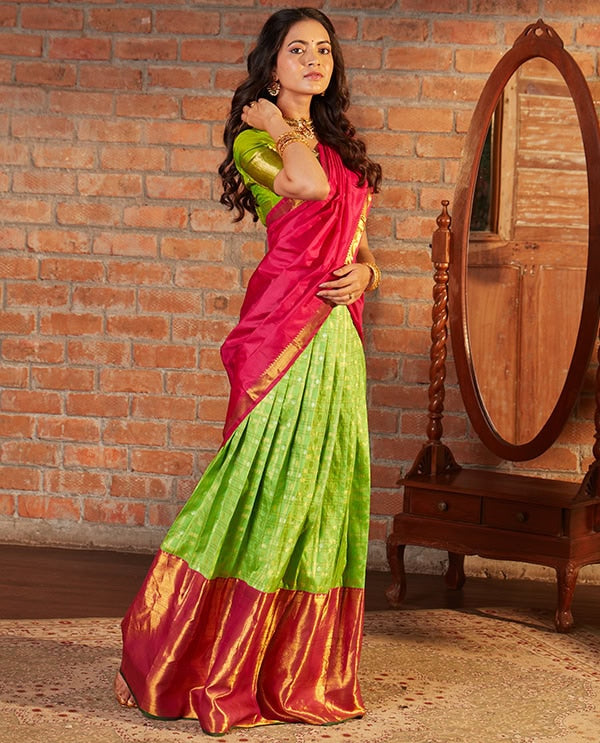
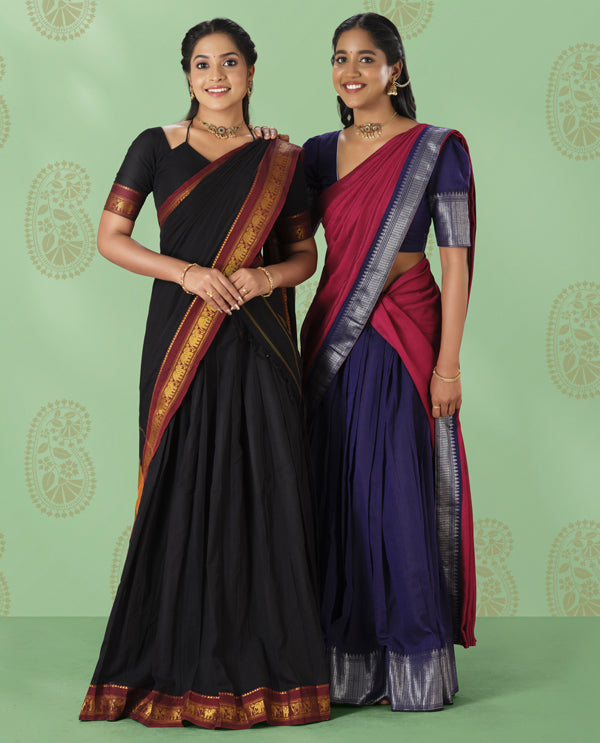
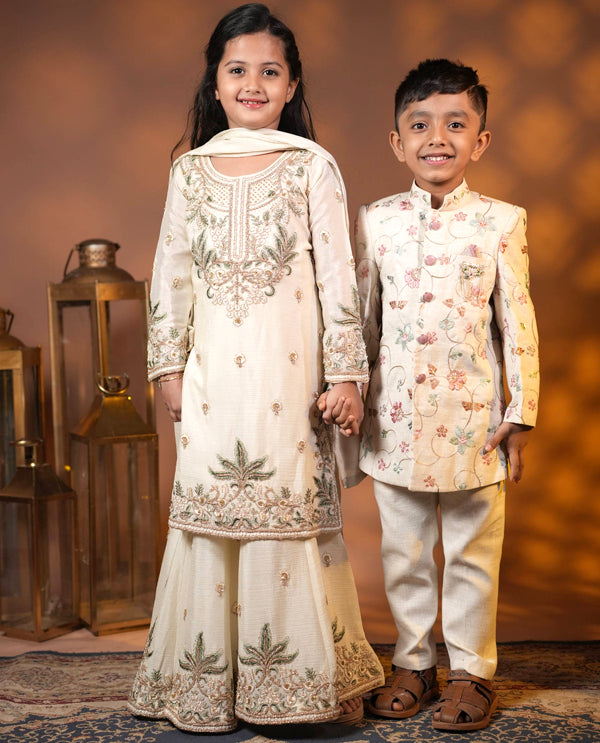
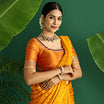
One of the most beautiful aspects of this tradition is the attire- the half saree. It’s a gorgeous outfit that sits perfectly between childhood and adulthood. The look typically includes a long skirt (pavadai or lehenga), a fitted blouse, and a dupatta (called voni or davani) draped in the style of a saree pallu. It's called a “half saree” because it resembles the grace of a saree without the complexity of draping six yards of fabric.
The feeling of when you first don a half saree is unparalleled- you feel the regal elegance of being a woman, waiting excitedly to start looking just like your amma! You walk with her grace, twirl in excitement, and hold yourself with pride for the woman you’re about to be. You can watch your grandmother’s eyes swell with tears of joy as she sees you honouring the cultural legacy of this auspicious attire.
Meaning and Cultural Importance
The half saree ceremony is not just about wearing a new outfit; it carries centuries of cultural heritage. Traditionally, sarees were worn by adult women, while little girls wore frocks and skirts. The half saree came as a bridge between two stages- helping girls transition into their new role with elegance and grace.
The ceremony represents two important things:
-
Cultural Significance: It introduces a girl to the world of tradition, modesty, and elegance while celebrating her individuality.
-
Family Bonding: Families have to come together, shower blessings, and pass down heirloom jewellery and silk half sarees- connecting generations through tradition.
Even the outfit is symbolic as the skirt (pavadai) stands for youth and vibrancy, the blouse reflects growth and maturity, and the voni or dupatta hints at the poise and drape saree, preparing her for the future.
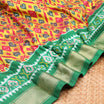
Bright shades like red, yellow, and green are considered auspicious, but modern celebrations often see pastel tones, contemporary cuts, and even designer fabrics, blending the charm of old and warmth with today’s style.

Regional Half Saree Ceremony Rituals and Traditional Attire
The core idea remains the same across South India, but every state adds its own cultural beauty:
-
Tamil Nadu: Popularly called the Pavadai Dhavani Ceremony, the girl is dressed in rich silk or pattu half sarees, paired with traditional temple jewellery. Classical music, family blessings, and a lavish spread of traditional food make the day truly special.
-
Andhra Pradesh & Telangana: Known as the Langa Voni Ceremony, it's a deeply spiritual event that begins with a puja. The girl often receives her first half saree, and sweets are an integral part of the ceremony.
-
Karnataka: Here, it’s called the Langa Davani Function, and one unique custom is applying turmeric paste to the girl before the ceremony-a blessing for health and prosperity. The celebration is usually accompanied by folk music and authentic regional cuisine.
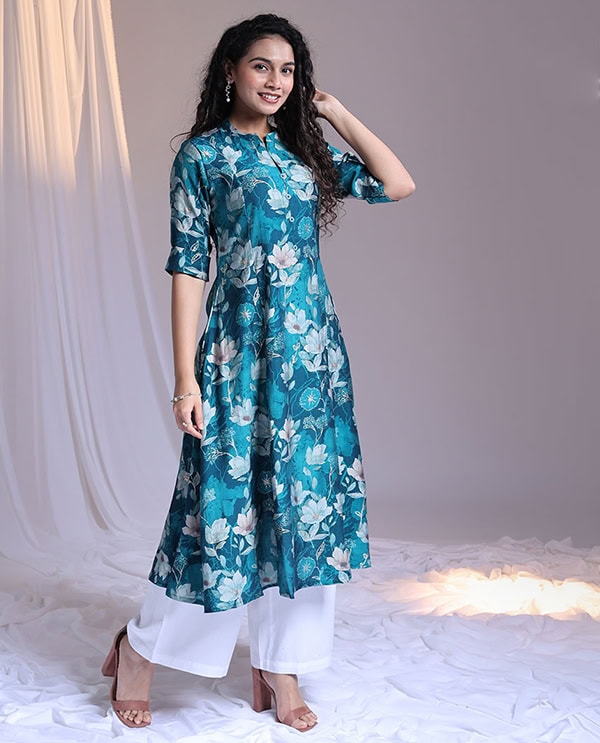
In today’s times, many families opt for a blend of tradition and modernity- adding elements like floral decor, professional photography, theme-based setups, and even half saree function dress ideas that feature designer lehengas or elegant anarkalis for a contemporary twist.
What Keeps the Half Saree Ceremony Alive Across Generations?
The half saree ceremony is more than a ritual- it’s a cherished tradition in marking a girl’s transition to womanhood. Families love it for its cultural roots and the emotional bond it creates. For parents and grandparents, it’s a way to honour heritage and relive moments while passing down the customs that define identity.
Despite changing fashion and lifestyles, the half saree function thrives because it adapts to modern tastes. From vibrant silks to trendy designer styles, today’s ceremonies blend tradition with creativity. This mix of heritage and elegance keeps the half saree ceremony alive across generations.
Half Saree vs Full Saree - What’s the difference?
While both outfits hold a place of pride in Indian tradition, they differ in style, purpose, and when they are worn.
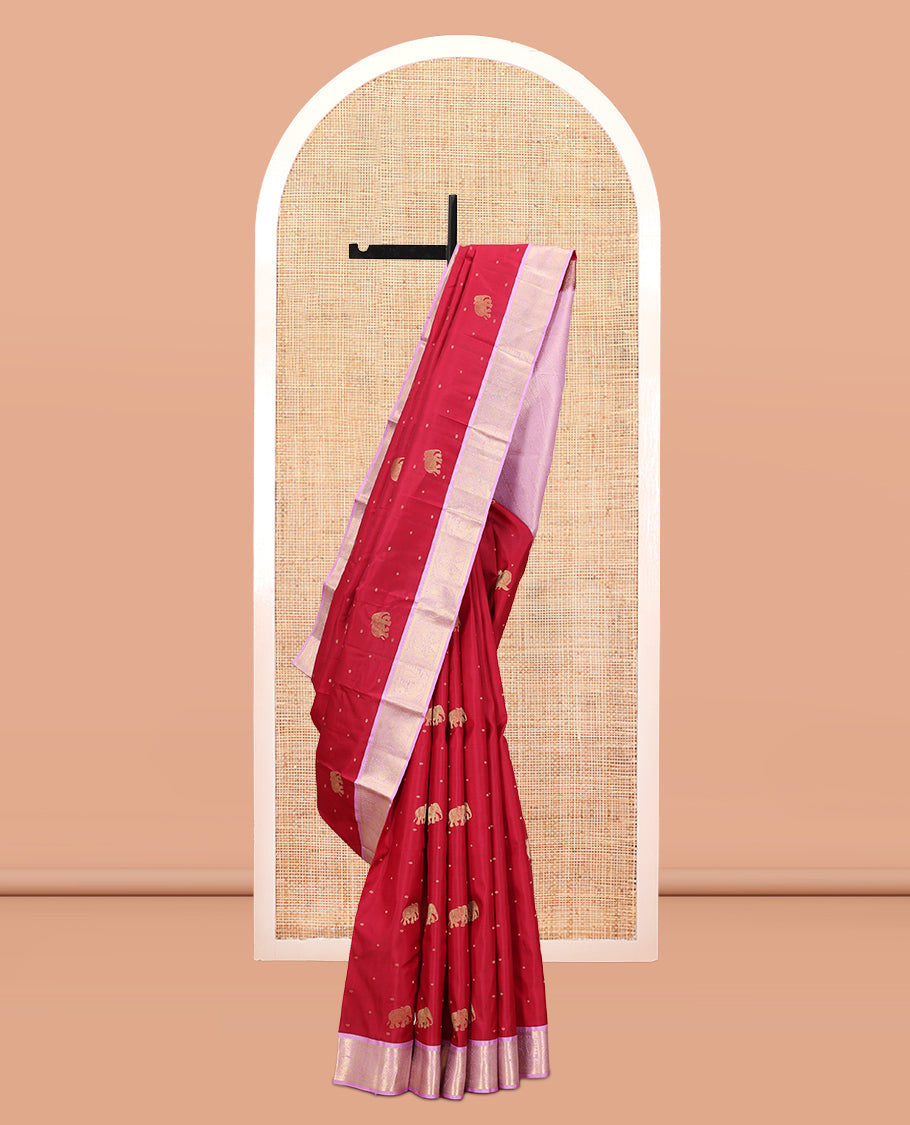
The half saree, often worn during adolescence and early youth, is designed for comfort and ease of movement, making it ideal for young girls stepping into womanhood. It usually consists of a skirt, a blouse and a drape, offering the elegance of a saree without the complexity of draping.

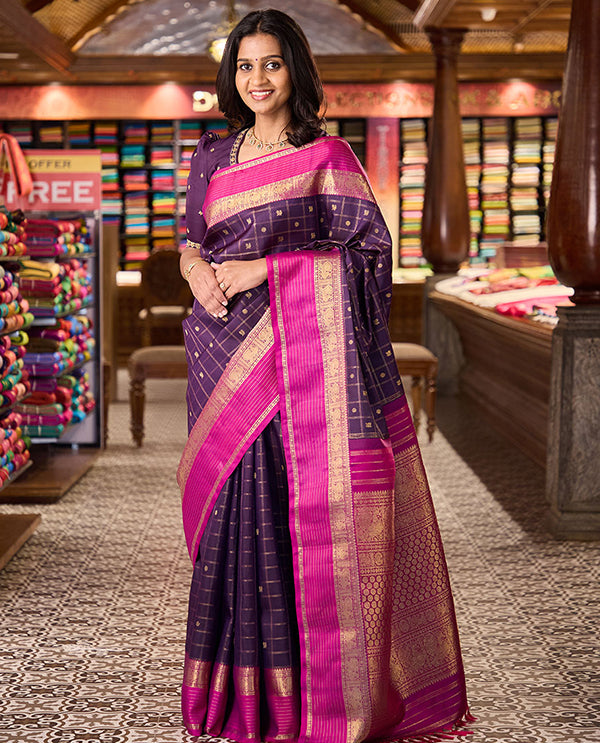
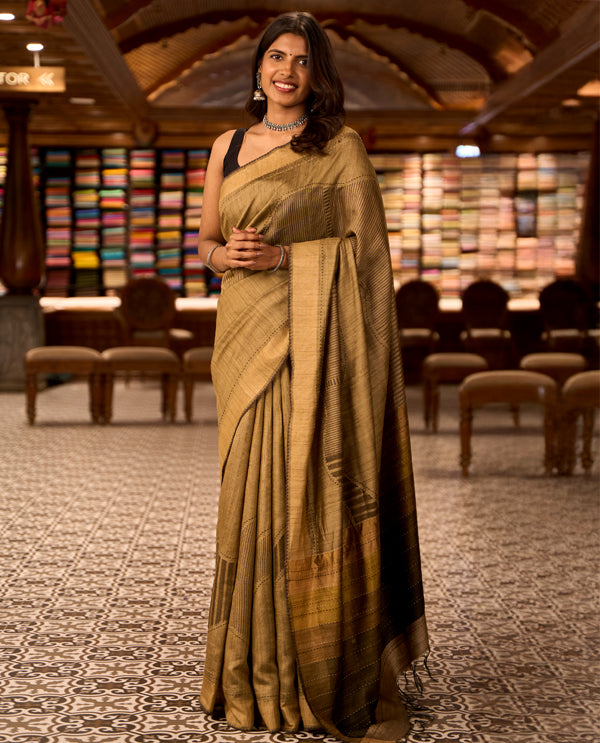
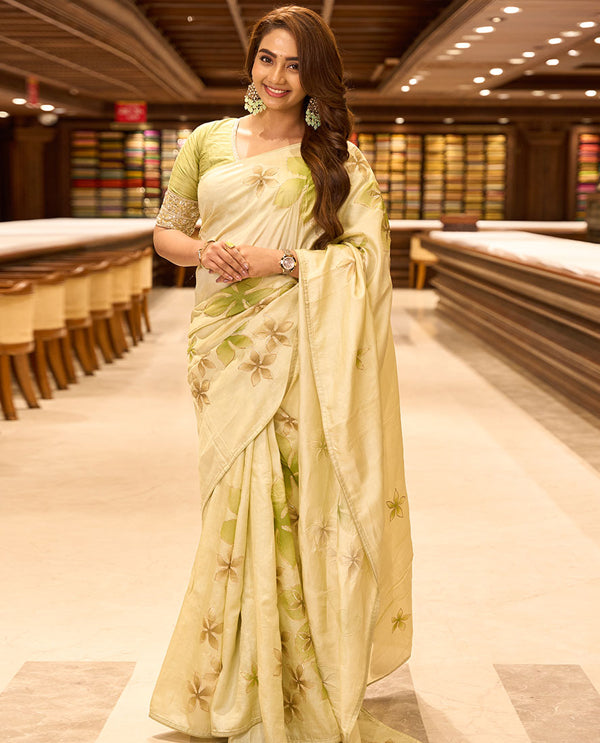
On the other hand, the full saree is typically worn by adult or married women, or for formal occasions. It's considered more sophisticated and is draped around the body in a single long fabric. In terms of style, half sarees lean towards playful and vibrant designs, while sarees exude a more classic, mature elegance.

Half Saree Function Dress Ideas: Celebrate Your Tradition In Style
The half saree ceremony is a beautiful blend of culture and fashion, and your outfit plays a big role in making the day special. It’s not just about looking elegant- it’s about showcasing your heritage while adding a touch of personal style. From rich traditional fabrics to trendy contemporary designs, the choices are endless. Here are some stunning options to make your half saree function truly memorable:
Traditional Silk and Cotton Half Sarees
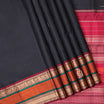
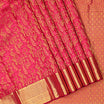
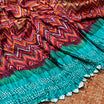
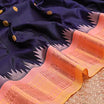
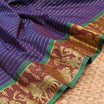
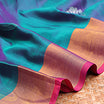
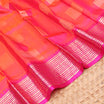
Pattu half sarees are timeless choices for this occasion. Their rich texture, intricate zari borders, and vibrant hues symbolise tradition and grace, making them perfect for religious ceremonies, wedding events and formal gatherings. Additionally, a Cotton half-saree can become your go-to piece for the post-ceremony rituals and for everyday use, ensuring comfort and elegance all day long.

Trendy Banaras, Art Silk and Designer Half Sarees
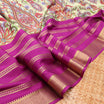
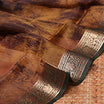
For those who love contemporary fashion, Banaras, Art silk and designer half sarees bring a chic twist to tradition. These lightweight fabrics allow elegant drapes, playful patterns, and modern embellishments- ideal for a stylish yet ethical look that is apt for festivities.

Half Saree Function Dress Ideas: Celebrate Your Tradition In Style
When it comes to the half saree ceremony, your outfits speak volumes about your style and personality. Here are some stunning options to consider:
Fusion of lehenga and half sarees styles
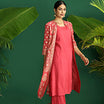
This style beautifully combines the elegance of a half saree with the grandeur of a lehenga. Featuring a flared skirt paired with a dupatta drape, it's a versatile choice that offers both comfort and a regal vibe, perfect for modern celebrations

Colour combinations that stand out
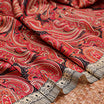
Classic combos like pink and green, or yellow and violet, never go out of style. For a trendy touch, consider pastels, ombre tones, or metallic accents. The right colouring pairing can elevate your look and make your outfit pop in photos.

Best Events to Flaunt Your Half Saree Look
Imagine stepping into a festive courtyard, the sound of nadaswaram (a Traditional South Indian wind instrument) filling the air, and every eye turning to admire your graceful half saree. These timeless ensembles are more than outfits; they’re part of life’s grand celebrations. The beauty of a half saree is that it suits multiple occasions. Here’s where you can show it off in style.
-
Coming-of-Age Ceremonies: Traditionally worn during the Ritu Kala Samskaram, marking a girl’s transition into womanhood.
-
Weddings and Engagements: A popular pick for bridesmaids and younger family members at South Indian weddings.
-
Festivals: Celebrate Pongal, Navratri, and Deepavali in an outfit that perfectly blends ethnic charm with festive spirit.
-
Religious Functions: Half sarees, especially silk ones, are ideal for temple visits and spiritual gatherings.

The half saree ceremony is more than a visual celebration; it’s a living tradition that bridges generations. Rooted in symbolism, it marks a young girl’s graceful transition into womanhood while preserving the heritage and values that define South Indian culture. This ritual carries emotional depth, connecting families to their ancestry and instilling a sense of pride in identity.
Even as modern trends influence styles and celebrations, the essence of the ceremony remains untouched—it continues to honour womanhood, celebrate family bonds, and uphold cultural continuity. In a world moving rapidly towards change, traditions like the Half Saree Ceremony stand as timeless reminders of who we are and where we come from.
FAQs
Can a Half Saree be customised for a modern look?
Absolutely! Today’s half saree function dress ideas include trendy fabrics like net, georgette, and organza, blending traditional drapes with modern cuts. Custom embroidery, pastel shades, and ruffled dupattas make these outfits stylish while keeping the cultural essence intact.
Is the half saree ceremony only done in South India?
No, the half saree ceremony (also called Ritu Kala Samskaram) is a traditional practice that originated in South Indian states like Tamil Nadu, Karnataka, and Andhra Pradesh, but its influence has spread to other parts of India. Today, families across regions adopt the concept to celebrate a girl’s coming of age, blending tradition with modern cultural trends.
How do I accessorise a Half Saree for the perfect look?
For your half saree function, pair it with temple jewellery for a traditional vibe or opt for minimalistic pieces for a chic modern touch. Fresh flower hair buns, statement bangles, and embellished waist belts are trending accessories that elevate the half saree look beautifully.
Can I reuse my Half Saree function dress later?
Definitely! Many girls repurpose their half saree by draping it differently for weddings, converting the skirt into a lehenga, or mixing and matching the dupatta with other outfits. This makes the half saree ceremony attire versatile and sustainable.