

Chudidhar Material: A Blend of Tradition and Comfort
The appeal of traditional attire continues to evolve, and exploring chudidhar material online allows shoppers to choose fabrics that balance comfort, durability, and style. From breathable cotton for everyday wear to blended textiles and pattu churidar materials, each fabric offers unique benefits for different climates and occasions. Chudidhars remain favourites for weddings, festivals, and family celebrations due to their rich texture, sheen, and compatibility with zari, beadwork, and embroidery. A key factor in selection is chudidhar material design, which determines how embellishments, prints, and textures complement the outfit’s structure. Stretch fabrics are increasingly popular for fitted bottoms, offering mobility without losing shape. Dupattas in chiffon, silk, or organza elevate the ensemble for festivities, while cotton versions remain practical for daily wear. Buying chudidhar material online further provides wider colour choices, transparent pricing, and convenient delivery, making it easier to create customised outfits that suit personal taste and cultural expression.
This collection is empty
Continue shoppingExplore Other Collections

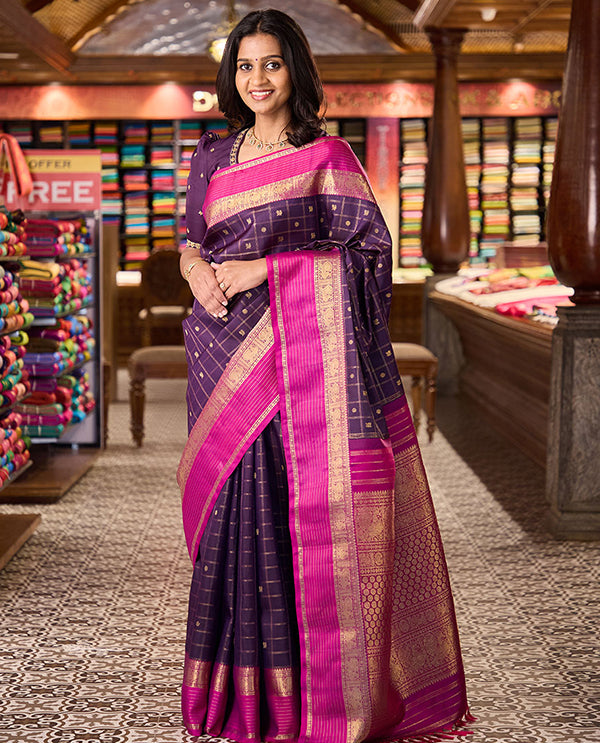
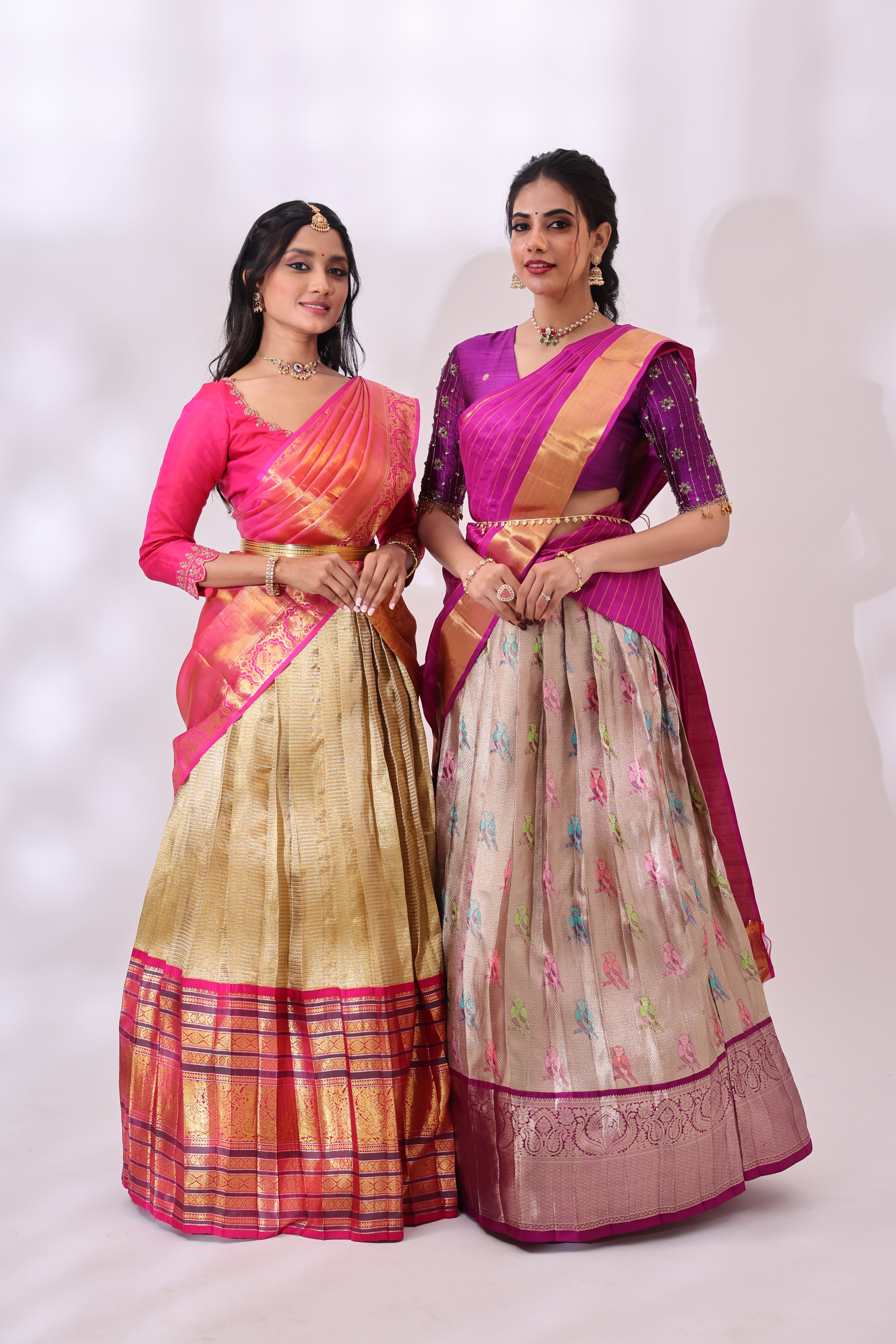
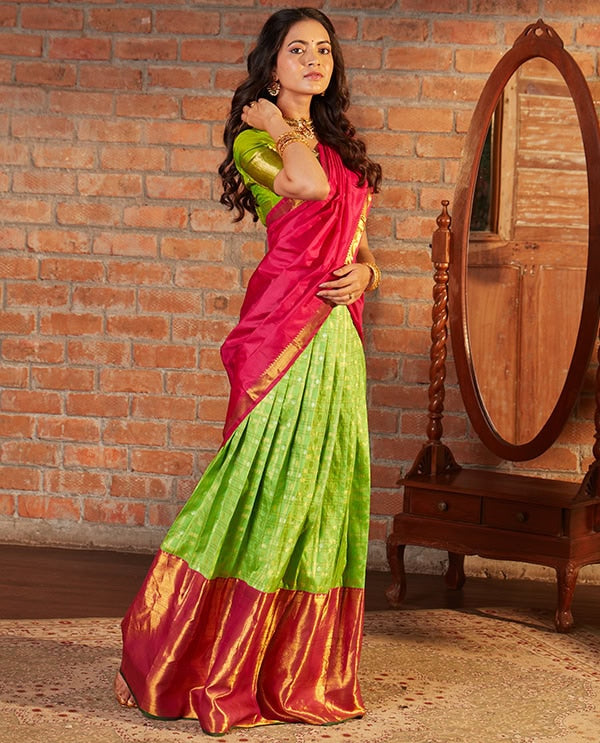
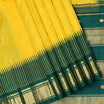
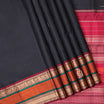
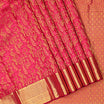
Silk Sarees: Celebrate tradition with our exquisite range of silk sarees.
Discover pieces that speak to your unique style and make every moment special with Pothys.
The chudidhar, also known as churidar, is one of the most popular traditional outfits in South Asia, especially in India. Worn by women of all ages, this attire is admired for its elegance, simplicity, and versatility. The chudidhar material used for stitching an outfit plays a vital role in determining how the outfit looks, feels, and lasts. Over time, a wide variety of fabrics have been used to create chudidhars, each bringing its own charm and utility.
This attire, usually consisting of a long kameez paired with a fitted bottom that gathers at the ankles, is admired for its elegance, comfort, and versatility. While its design is universally recognised, what truly defines the beauty and practicality of a chudidhar is the material from which it is made. The choice of chudidhar material directly influences how the outfit looks, feels, and suits different occasions. From breathable cottons for everyday wear to rich silks and chiffons for festive occasions, the material of a chudidhar forms the foundation of its appeal.
One of the most common materials for chudidhars is cotton. Lightweight, breathable, and easy to maintain, cotton chudidhars are ideal for daily wear, especially in hot and humid climates. They allow for free movement and provide maximum comfort, making them the preferred choice for students, working women and homemakers. Cotton also comes in printed and embroidered varieties, which means even a simple cotton chudidhar can look stylish and suitable for semi-formal occasions.
In modern times, the range of chudidhar materials has expanded even further with the introduction of blended fabrics, synthetics, and stretchable textiles. Crepe, rayon, lycra, and polyester blends have gained popularity for their durability, wrinkle resistance, and ease of maintenance. Lycra-based fabrics in particular are widely used for the chudi or leggings part of the attire, as they provide a snug fit while allowing freedom of movement. Such innovations reflect how traditional attire has evolved to meet the demands of contemporary lifestyles without losing its cultural charm.
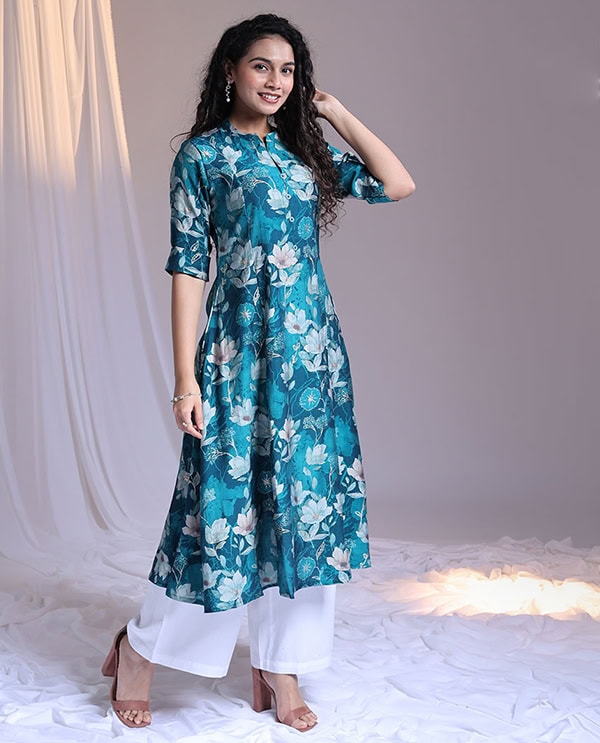
The chudidhar material design is another aspect where material plays a critical role. Fabrics like net, velvet, and organza are often reserved for statement-making chudidhars, especially for special occasions. They provide a canvas for heavy embellishments such as beadwork, stone designs, and embroidery that elevate the outfit into something festive and luxurious. On the other hand, printed cottons, linens, and rayons with floral patterns or geometric motifs remain evergreen choices for casual wear, allowing women to express style while enjoying comfort.
Chudidhar Materials Online: From Everyday to Festive
The kurta, as the upper garment of a chudidhar set, is the most visible and often the most decorative piece of the outfit. Its fabric plays a major role in defining the overall aesthetic, level of comfort, and suitability for different occasions. Because the kurta serves as the centrepiece, designers and wearers alike invest considerable attention into choosing the right material. From breathable cottons to luxurious silks, the range of fabrics available is vast, each offering its own distinct texture, fall and design possibilities.
Understanding Chudidhar Materials
For everyday wear, cotton remains the most popular choice. Known for its softness and breathability, cotton kurtas are very practical. They absorb sweat and airflow, and remain comfortable even during long hours of wear. Beyond plain cotton, there are numerous variations, such as handloom cottons, block-printed cottons, and embroidered cottons, which elevate a simple look. Cotton kurtas are also easy to wash and maintain, making them perfect for everyday use.
When it comes to festive or formal wear, silk fabrics take centre stage. Pure silk kurtas, along with varieties like raw silk and tussar, lend a natural sheen and elegance to the attire. They are often embellished with zari work, sequins, beads or thread embroidery, creating a rich look suited for weddings, festivals, and family gatherings. Brocade silk, with its woven motifs in gold or silver threads, is particularly common in festive chudidhar materials. Unlike cotton, silk drapes more firmly and adds structured grace to an outfit.
Lighter, flowy fabrics like georgette and chiffon are also widely used in kurtas, especially in chudidhar styles such as anarkalis or long straight cuts. These fabrics drape elegantly, creating a flattering silhouette, and are often chosen for semi-formal or party wear. Because of their delicate texture, they are frequently paired with embroidery, lacework, or sequins to enhance their charm.
Crepe and rayon fabrics strike a balance between comfort and sophistication. While crepe offers a slightly crinkled finish that makes the outfit look unique, rayon is soft, smooth, and durable. Both fabrics are ideal for office wear or casual outings where one desires both style and functionality.
Finally, for more opulent occasions, fabrics such as velvet and brocade add richness to the kurta. Velvet has a plush texture that gives a royal appearance, while brocade fabrics with woven motifs exude traditional elegance. These are usually reserved for winter weddings or high-profile events due to their heavy nature.
How Chudidhars are different from Salwars
The bottoms of the chudidhar are what distinguish it from a salwar. While a salwar is loose or straight, the chudidhar is tightly fitted along the legs, tapering at the ankles where the extra length gathers into graceful folds or "churis." Because of this design, the choice of fabric for the bottoms is crucial, not only for appearance but also for mobility and comfort. A well-chosen chudidhar material ensures that the outfit looks sleek and elegant while also being practical for day-to-day wear.
Lycra and stretch fabrics have recently become popular because of their high flexibility and hugging contours of legs, while allowing for free movement. Unlike pure cotton, Lycra chudidhars don't lose shape easily and are more wrinkle-resistant. Their snug fit also enhances the silhouette of the kurta, adding to the overall elegance of the outfit. These stretchable bottoms come in a wide range of colours, making them versatile enough to match with multiple kurtas.
For festive occasions, fabrics such as silk, satin, and brocade are chosen for chudidhar bottoms. These are luxurious materials, and complement richly embroidered silk kurtas. Brocade, with its intricately woven patterns, elevate the chudidhar into a statement piece. However, these fabrics are less breathable compared to cotton, so they are typically reserved for special occasions.
Rayon and crepe also make excellent options for chudidhar bottoms, especially when paired with semi-formal kurtas. Rayon offers a smooth, lightweight feel. In contrast, crepe adds a slightly textured look that prevents the chudidhar from appearing plain. Both fabrics are low-maintenance and drape neatly, making them versatile choices.
Ultimately, the chudidhar material must complement the kurta while balancing comfort, durability, and elegance. For daily use, cotton and stretch fabrics dominate, for festive occasions, silk and broades shine.
No Chudidhar outfit is complete without an elegant dupatta. At Pothys, several of our chudidhar materials include dupattas. So, what dupatta material should you look for?
Chudidhar Dupatta Material: Elegance in Every Drape
The dupatta is more than just a piece of fabric in the chudidhar ensemble. It is a symbol of grace and cultural identity. Draped in different ways, over both shoulders, across the neck, or casually on one side, the dupatta adds balance, modesty, and sophistication to the outfit.
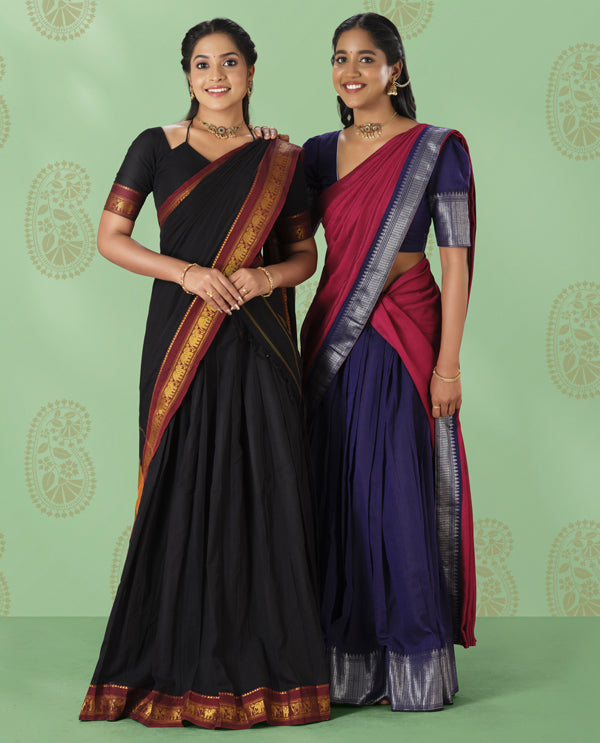
For everyday wear, cotton dupattas are the most practical choice. Lightweight and breathable, they pair seamlessly with cotton kurtas and chudidhar bottoms. Variants such as kota,ikkat and block-printed cotton add cultural richness and artistic value to the ensemble.
For festive occasions or semi-formal events, women often turn to chiffon and georgette dupattas. Both fabrics are lightweight and have a fluid frappe that adds elegance to the attire. These dupattas create an airy and elegant look and are frequently adorned with embroidery, making them perfect companions to both simple and ornate kurtas.
On the fancier end, silk dupattas such as Banarasi, Kanjeevaram, and art silk hold a special place. Known for their rich texture and lustrous appeal, silk dupattas instantly elevate a chudidhar into festive or ceremonial wear. Net and organza dupattas are also popular as their sheer texture provides a contemporary, fashionable look, often enhanced with beadwork, sequins, or stone embellishments.
In colder parts of India, woollen or pashmina chudidhar materials are used during winter as they are practical and carry their own cultural charm.
Latest Collection Details- Shop the trending collection at Pothys
| Material | Collection | Type / Description | Price (₹) |
|---|---|---|---|
| Cotton | Chudidhar Material Catalogue | Green cotton material chudidhar set with ikkat buttas, neck embroidery top; contrast bottom & dupatta with ikkat designs | 1,148 |
| Georgette | Chudidhar Material Catalogue | Onion pink shifli sequins embroidery georgette chudidhar top with American crepe pant & sequins-embroidery scallop dupatta | 729 |
| Cotton | Chudidhar Material Catalogue | Green cotton material chudidhar set, thread-embroidered & micro-stone-work Santoon top, floral printed scallop chiffon dupatta | 1,809 |
| Georgette | Chudidhar Material Catalogue | Pink material churidar catalog set with embroidered georgette top, plain bottom & embroidered scallop dupatta | 2,970 |
| Georgette | Chudidhar Material Catalogue | Yellow leaf print with thread, sequins embroidery chudidhar material top, leheriya design bottom & plain, striped border dupatta | 1,985 |
FAQs on Chudidhar Material
1. Can Chudidhar material be stitched in different styles?
Yes! Chudidhar materials can be stitched in any style of your preference. Some popular chudidhar styles include straight cut, anarkali, palazzo suit and more. Before stitching, consult your tailor about the best style for the material, your body shape, and the occasion you’re stitching for.
2. How should I wash and maintain chudidhar material?
Wash chudidhar material gently by hand or use a mild machine cycle with cold water. Avoid harsh detergents, especially for silk fabrics. Dry in shade to preserve colour and fabric, and iron on low heat.
3. Can I buy Chudidhar material online?
Yes! At Pothys, we have a wide variety of chudidhar materials online. You can choose from multiple fabrics, including cotton, silk, organza, and more.
4. How do I choose the right chudidhar material?
The right material depends on the climate and occasion you’re buying a chudidhar for. For warmer climates and everyday wear, cotton is the best option. For special occasions, silk and georgette are ideal.
5. What is Chudidhar's material price online?
The price of chudidhar material generally differs based on the type of material. Silk chudidhars are generally more expensive, whereas cotton chudidhars are more affordable.