

































Beyond the Weave: Understanding Saree Motifs from Trusted Retailers
A saree is admired for its fabric, colours, and craftsmanship, but there's another element that quietly tells a story, the motifs woven or printed across it. From graceful peacocks and blooming lotuses to elegant mango patterns and temple-inspired borders, every motif has a history rooted in Indian art, culture, and tradition. These intricate designs are more than decorative details; they represent beliefs, nature, prosperity, and regional craftsmanship passed down through generations.
Understanding saree motifs helps you appreciate the artistry behind every drape while making it easier to choose a saree that suits your personality, occasion, and style. Whether you're shopping for a festive silk saree or an everyday cotton weave, knowing the meaning behind these timeless patterns makes every purchase more meaningful.
What Are Saree Motifs?
Motifs are recurring decorative patterns woven, embroidered, printed, or embellished onto a saree. Inspired by nature, architecture, mythology, and everyday life, these designs have become an integral part of Indian textiles. While some motifs are unique to specific weaving traditions, others have travelled across regions, evolving with time while retaining their cultural significance.
Today, traditional motifs continue to define the beauty of sarees, connecting modern fashion with India's centuries-old textile heritage.
Why Motifs Matter in Indian Sarees

The beauty of a saree is often found in its details. A carefully chosen motif can transform a simple weave into an heirloom-worthy masterpiece. Beyond aesthetics, motifs represent emotions, beliefs, and traditions that have been preserved by skilled artisans for generations.
Understanding the ethnic motifs meaning behind a saree allows you to appreciate the thought and symbolism woven into every design. It also helps you select sarees that feel appropriate for weddings, festivals, religious ceremonies, or everyday elegance.
Popular Traditional Saree Motifs and Their Meanings


Indian sarees feature motifs inspired by nature, culture, and heritage. Each design adds character to the saree while reflecting the artistry and traditions of Indian weaving.
Paisley: The Symbol of Prosperity
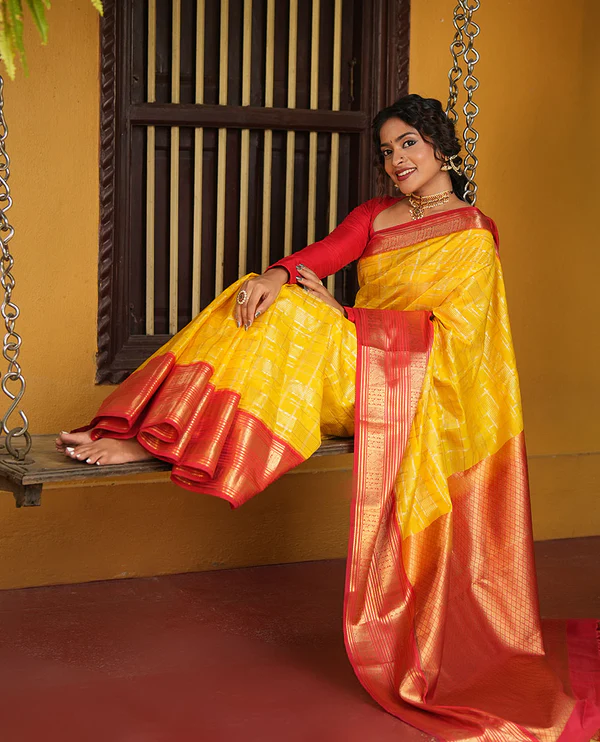
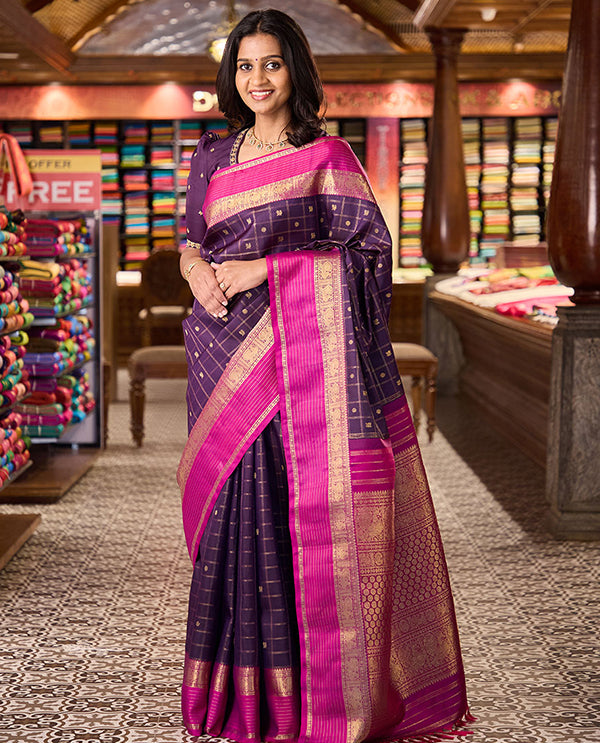
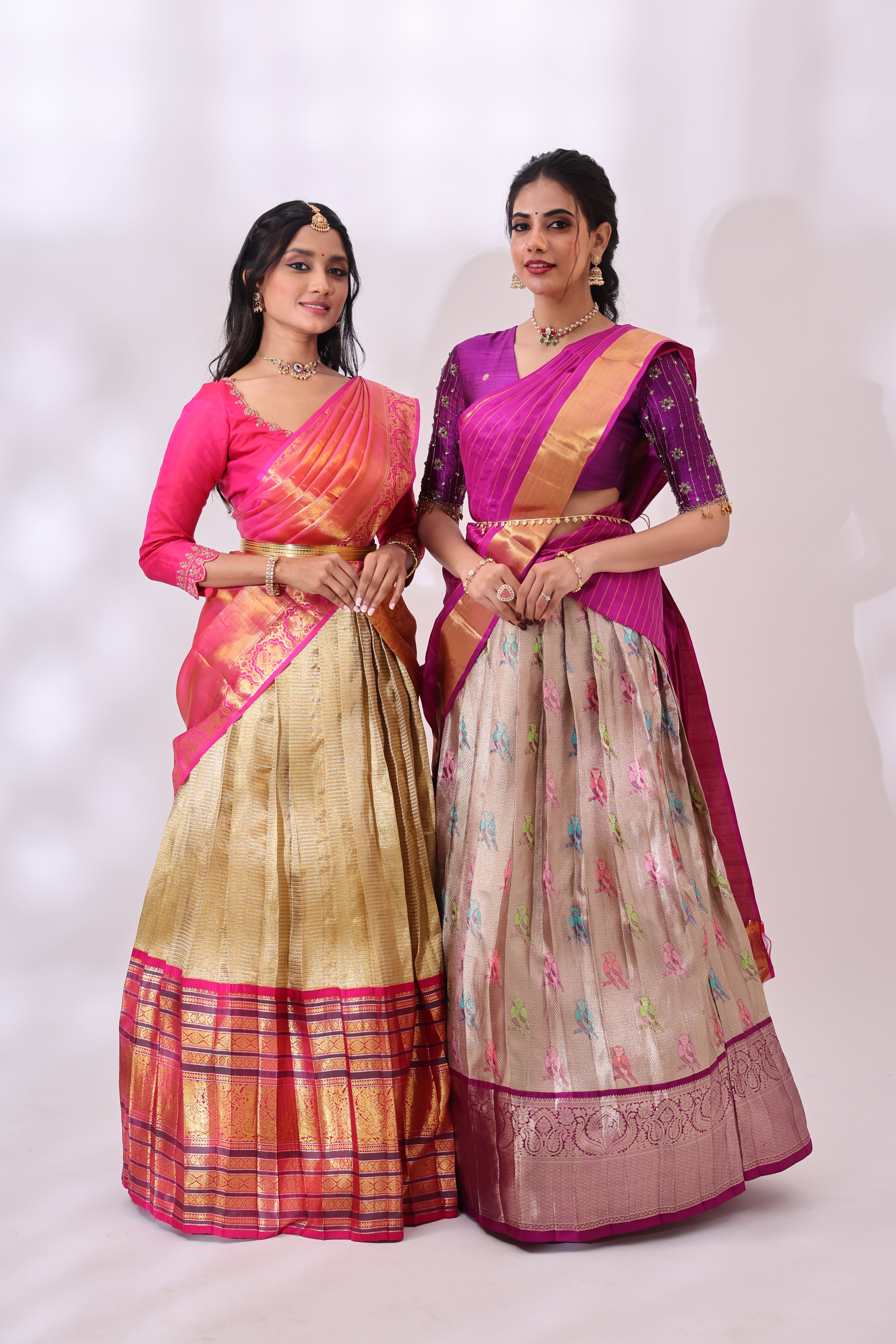
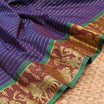
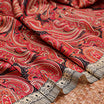
One of the oldest traditional motif design elements in Indian textiles is the paisley, commonly known as the mango motif. Its curved teardrop shape symbolises fertility, abundance, and prosperity, making it a popular choice for bridal and festive sarees. You'll often find paisley motifs adorning Kanchipuram silk, Banarasi silk, and handloom sarees.
Lotus: A Symbol of Purity
The lotus is deeply rooted in Indian culture and spirituality. It represents purity, enlightenment, and new beginnings, making it one of the most cherished traditional motifs found in festive and ceremonial sarees. Lotus-inspired patterns are frequently woven into silk sarees worn during weddings and religious occasions.
Peacock: Grace and Celebration
The peacock, India's national bird, symbolises beauty, elegance, and celebration. Elaborately woven peacock motifs bring richness to silk sarees and are especially popular in South Indian bridal collections. These striking designs instantly elevate the grandeur of a saree.
Temple Motifs: Inspired by Heritage
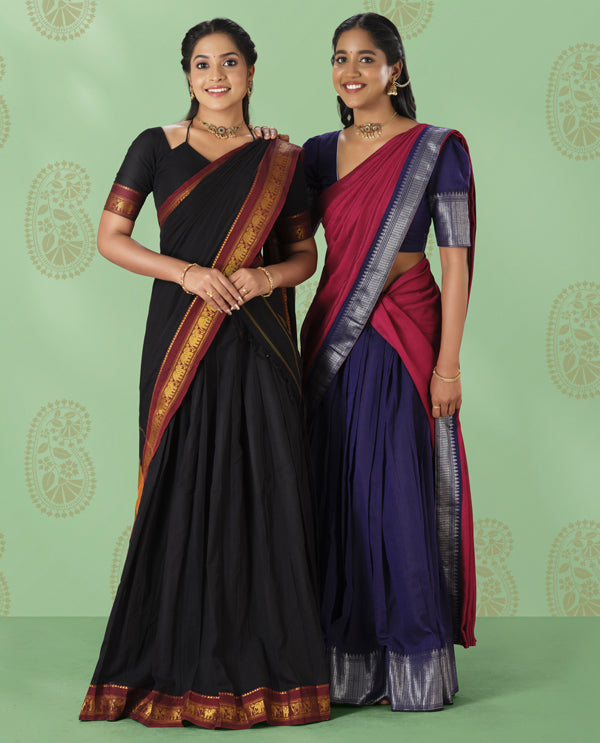
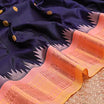
Temple-inspired borders and geometric patterns draw inspiration from the architecture of ancient Indian temples. These traditional motif design elements reflect devotion, heritage, and timeless craftsmanship. Temple motifs are especially admired in Kanchipuram and Chettinad sarees.
Floral Motifs: Timeless Elegance
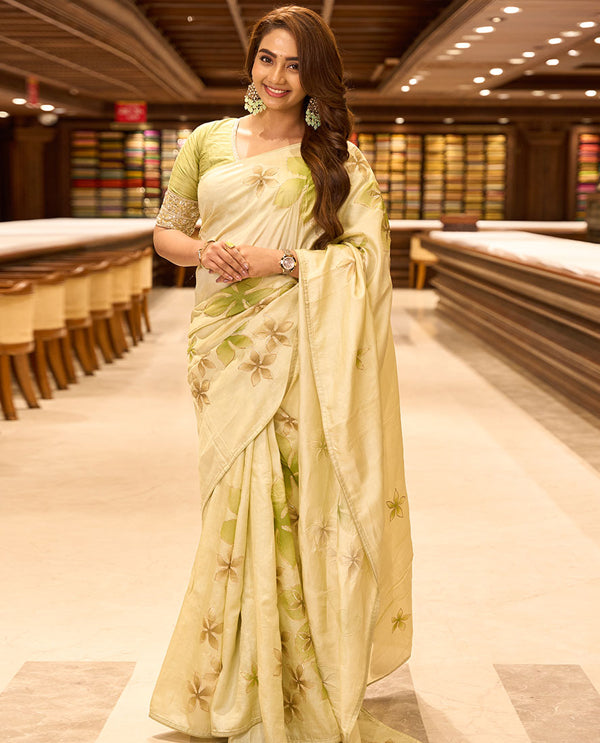
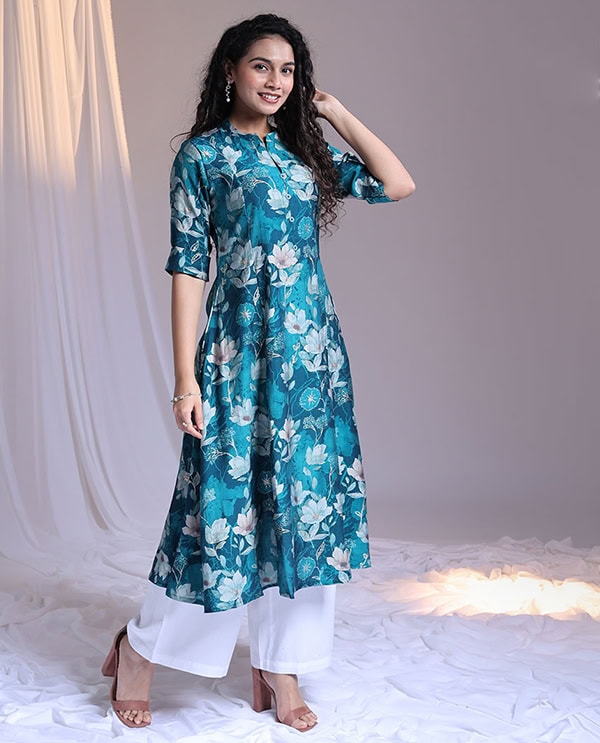
Flowers have always inspired Indian textile art. Rose, jasmine, marigold, and creeper-inspired patterns symbolise freshness, joy, and femininity. Floral saree motifs remain popular across cotton, chiffon, organza, linen, and silk sarees because of their versatility and timeless appeal.
Elephant Motifs: Strength and Good Fortune
Elephants have long been associated with royalty, wisdom, and prosperity. Their majestic appearance makes them a favourite motif for festive silk sarees and traditional handloom weaves, especially those worn during grand celebrations.
How Motifs Influence Your Saree Choice


The motif you choose can change the entire personality of a saree. Large, intricate motifs often create a grand festive appearance, making them suitable for weddings and celebrations. Smaller motifs offer understated elegance, making them ideal for office wear, casual gatherings, and everyday dressing. Traditional motifs paired with rich silk fabrics create timeless heirloom pieces, while contemporary interpretations on cotton and linen sarees offer effortless sophistication.
Understanding ethnic motifs meaning also helps you select sarees that resonate with the significance of an occasion, making your outfit feel even more special.
Why Buy Sarees from Trusted Retailers?
The authenticity of a saree lies not only in its fabric but also in the craftsmanship of its motifs. Trusted retailers work closely with skilled artisans and established weaving communities to preserve traditional techniques while ensuring consistent quality.
Shopping from a reputed retailer gives you access to authentic handloom collections, genuine weaving traditions, superior craftsmanship, and expert guidance that helps you understand the story behind every saree. Whether you're investing in a bridal silk saree or adding a timeless cotton weave to your wardrobe, authenticity makes all the difference.
Celebrate the Art Behind Every Saree with Pothys

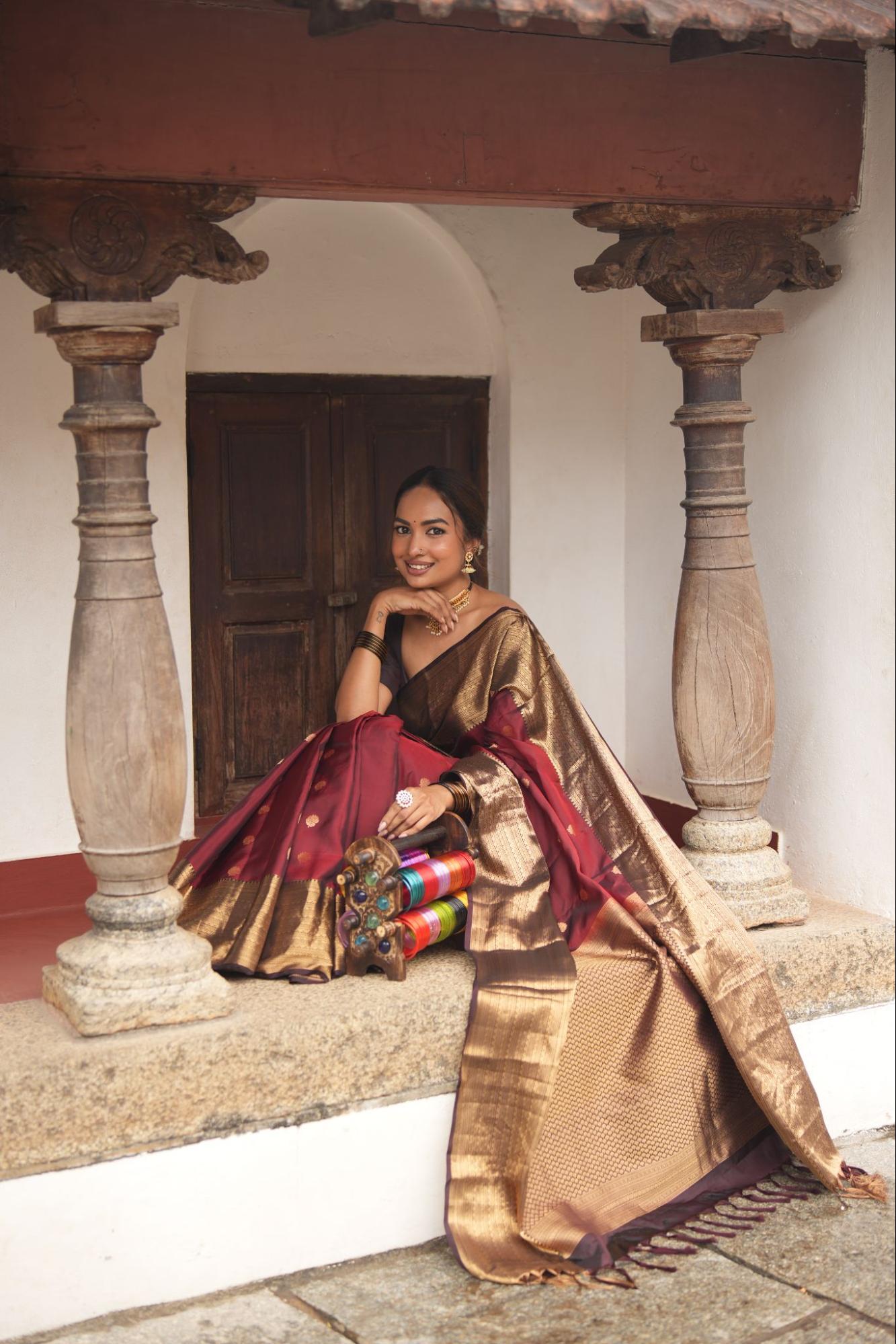
Every motif carries a story waiting to be discovered. At Pothys, every saree reflects generations of artistry, craftsmanship, and India's rich textile heritage. Explore an extensive collection of Kanchipuram silks, handloom cottons, Kerala Kasavu sarees, Banarasi weaves, and contemporary designer sarees featuring exquisite traditional motifs and timeless craftsmanship. Find a saree that is not only beautiful to wear but also meaningful to own.
FAQs
1. What are saree motifs?
Saree motifs are decorative patterns woven, embroidered, printed, or embellished onto sarees. Inspired by nature, mythology, architecture, and cultural traditions, these motifs add beauty while carrying symbolic meanings.
2. What are the most popular traditional motifs used in Indian sarees?
Some of the most popular traditional motifs include paisley, lotus, peacock, elephant, floral patterns, and temple-inspired designs. Each motif represents different cultural values and traditions.
3. What is the significance of a traditional motif design in sarees?
A traditional motif design enhances both the visual appeal and cultural value of a saree. These designs often symbolise prosperity, purity, strength, spirituality, or celebration, making them meaningful choices for festive and ceremonial occasions.
4. What are the common types of motifs found in Indian sarees?
The most common types of motifs include floral, animal, geometric, paisley, temple, and mythological designs. Different weaving traditions interpret these motifs in unique ways to create distinctive regional styles.
5. Why is it important to understand the ethnic motifs meaning before buying a saree?
Understanding the ethnic motifs meaning helps you appreciate the cultural significance behind a saree while choosing designs that suit the occasion, personal style, and traditional values you wish to celebrate.