


























Pongal Traditional Dress for the Whole Family: Celebrating Culture in Style
Every January, when the air carries that particular warmth of harvest season, Tamil households across the world wake with familiar electricity. There’s something about Pongal that calls us home, literally and metaphorically. For those of us scattered across cities, it’s the one festival tugging persistently at our roots. Pongal traditional dress becomes more than just fabric that day; it transforms into a bridge connecting us to generations who wore similar colours and gathered around clay pots watching milk overflow with identical joy.
Why Pongal Matters: More Than Just a Festival

Pongal isn’t simply marked on calendars as a public holiday. It’s the festival that returns every mid-January between 14-17 January, carrying the heartbeat of an entire community’s relationship with earth and sun. The name itself comes from the Tamil word meaning “to boil over,” symbolising abundance and prosperity. When we celebrate Pongal, we’re thanking Surya Dev, the Sun God, for bringing forth the harvest. We’re acknowledging the cattle that ploughed our fields, the farmers who worked through tough seasons, and the rain that fell when needed most.
But Pongal is deeply personal. It’s your family waking at dawn to sweep the house clean. It’s the smell of jaggery and milk as it boils in clay pots. It’s watching that precious moment when pongal overflows, and every family member shouts “Pongalo Pongal!” with their whole heart. It’s kolams (rangolis) painted on doorsteps with rice flour and turmeric. It’s the bonfire on Bhogi day, where old items burn away, taking our worries.
During these four sacred days, we gather and reconnect with relatives we haven’t seen in months. We sit on kitchen floors, watching parents prepare dishes our great-grandparents taught them. We dress in our finest ethnic wear- not for social media, but because the occasion demands it. Our clothes become part of our prayer, part of our gratitude.
The Ritual of Dressing: Why Pongal Dress Code Matters

This is where the pongal traditional dress enters as something sacred. When families select what to wear for Pongal celebrations, they’re making conscious choices about representing prosperity, which fabrics feel like home, and how to present themselves during moments of spiritual significance.
The pongal dress code has evolved through centuries while maintaining its core philosophy: dress to honour the occasion, feel connected to your lineage, and celebrate together. In modern households, this flexibility is beautiful. There’s room for personal preference alongside tradition, to discover your relationship with traditional wear, because honouring Pongal transcends perfect draping.

Pongal Dress for Ladies: Graceful Heritage

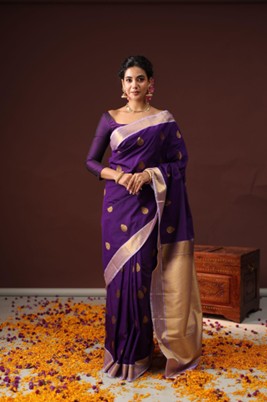
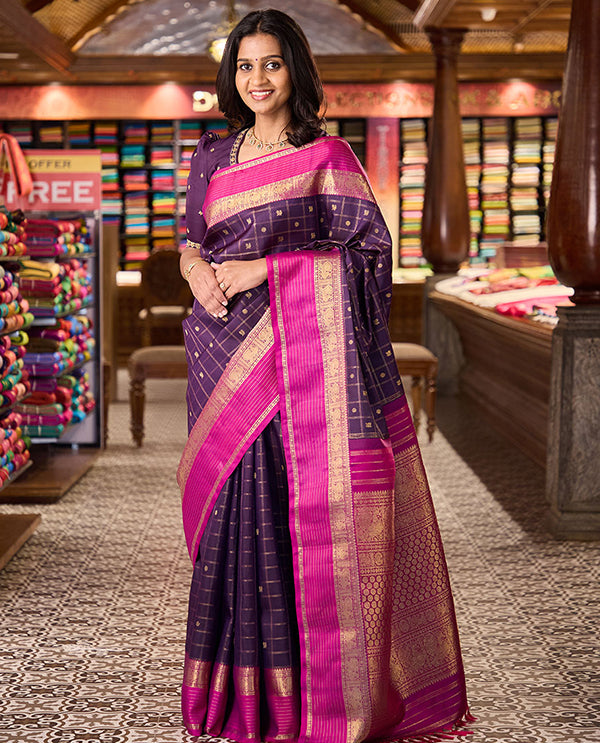
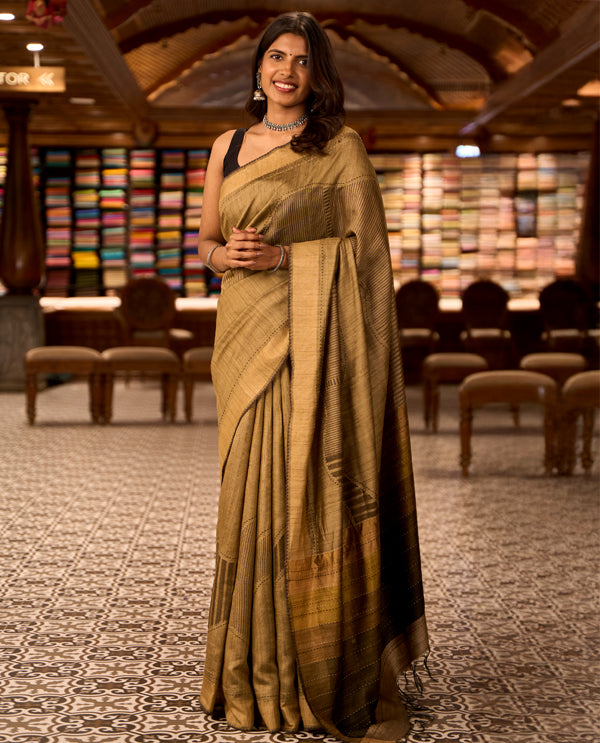
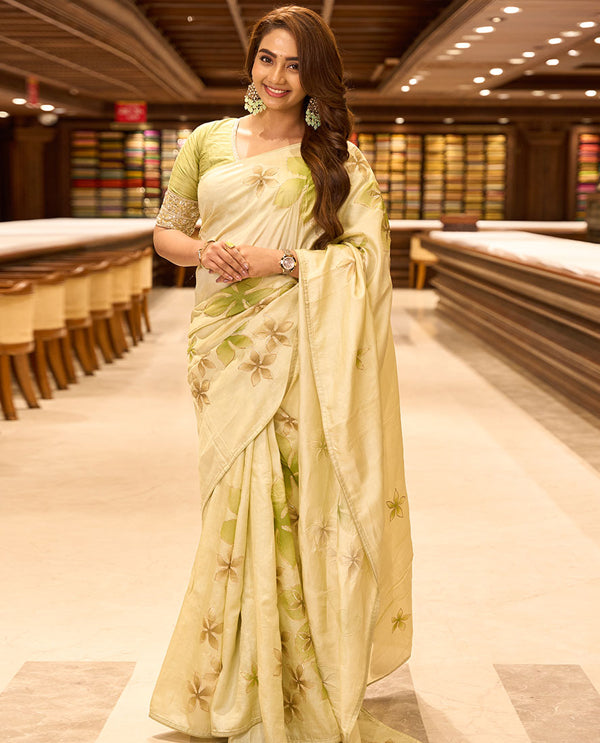
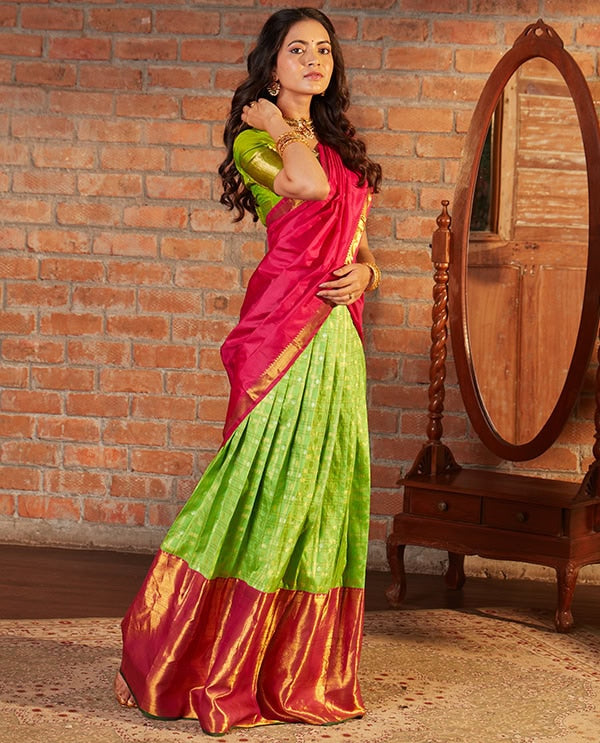
For women across South India, Pongal morning brings the delicious anticipation of wearing silk. The decision of which pongal dress for ladies to wear often begins in advance. Will this be the year you finally wear your mother’s vintage Kancheepuram saree? Or perhaps you’ve saved for that beautiful Mayuri silk in deep jewel hues?

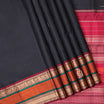
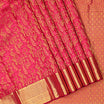
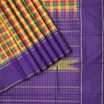
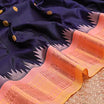
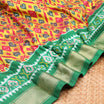
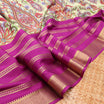
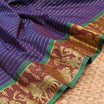
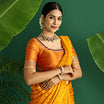
Pongal dress for ladies traditionally centres around silk sarees- Kancheepuram sarees with distinctive temple borders, Mysore silks with royal heritage, Mayuri menpattu for soft elegance throughout the day; as well as contemporary looks such as Banarasi weaves for its timeless artistry or semi-silk options, offering authenticity without the weight. The weight of a silk saree isn’t merely physical; it’s emotional. Draping one connects you to your mother’s draping, creating a thread of continuity that feels tangible.
The Madisar-style draping, particularly popular during Pongal mornings, requires practice and patience. Young women learn from their mothers- not just wrapping technique, but absorbing quiet stories, deepening bonds through shared rituals.

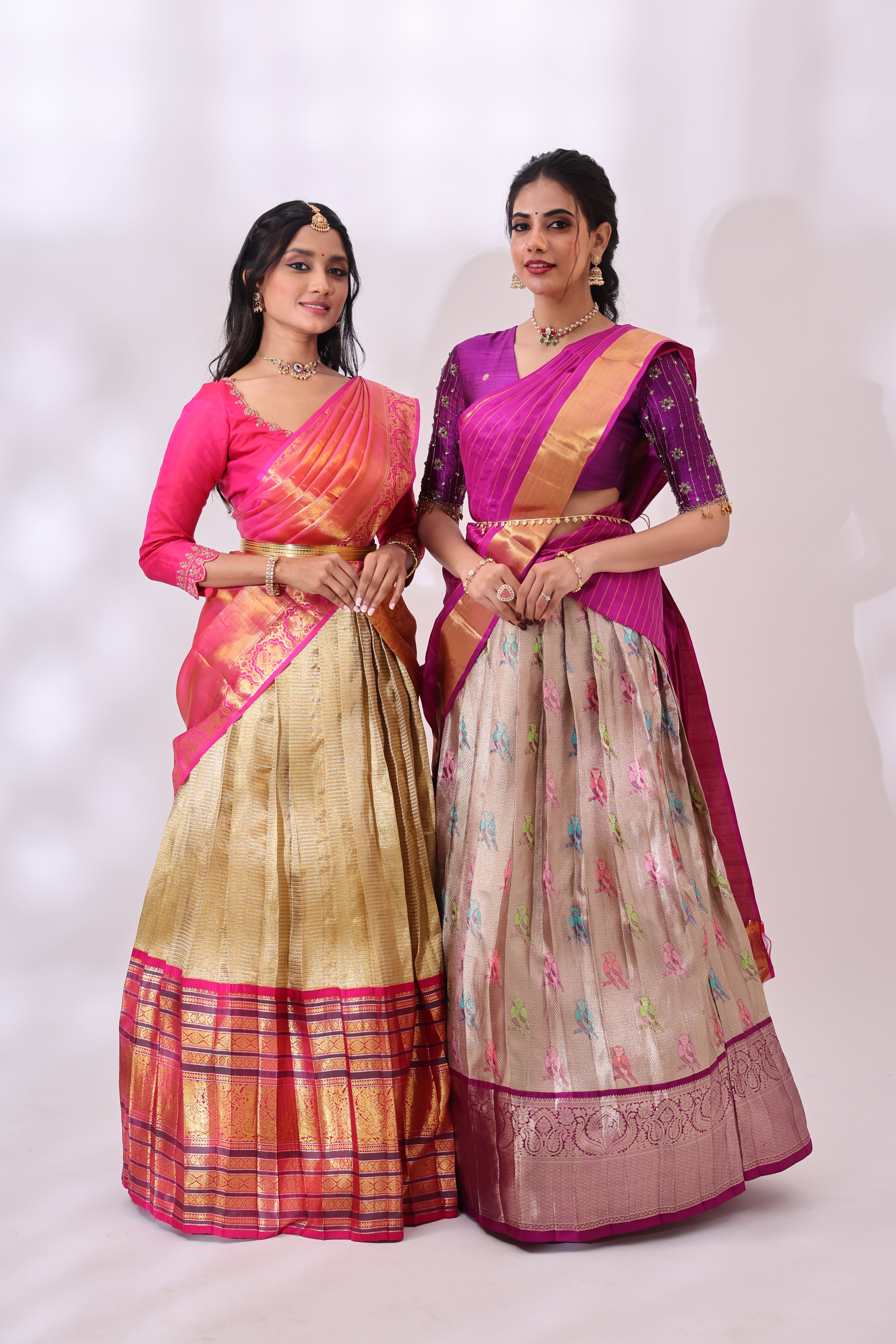
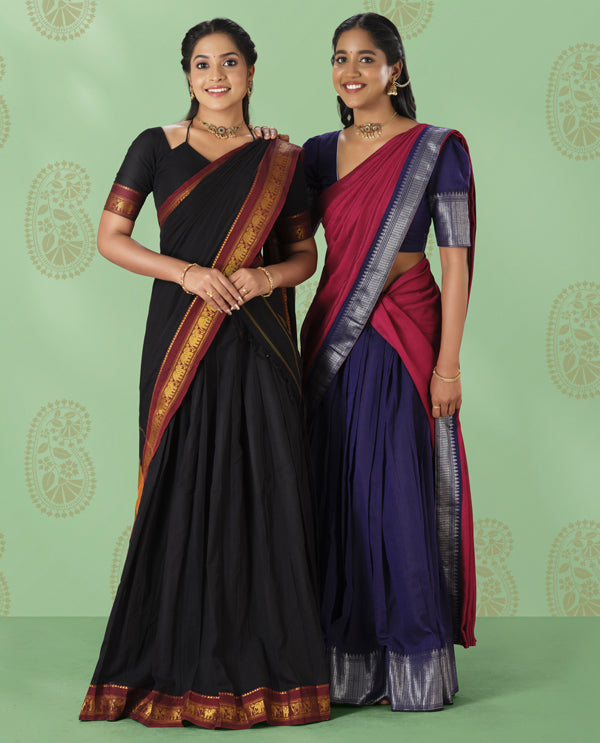
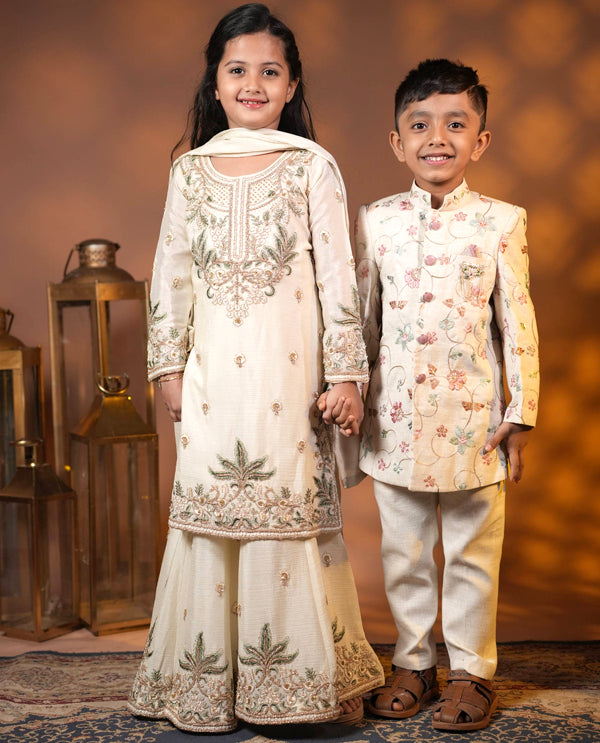
For those uncomfortable with nine-yard drapes, the pavadai-dhavani combination offers graceful authenticity. This traditional ensemble- pleated skirt, fitted blouse, and flowing dupatta- allows free movement for cooking, creating kolams, and visiting relatives without compromising cultural reverence.

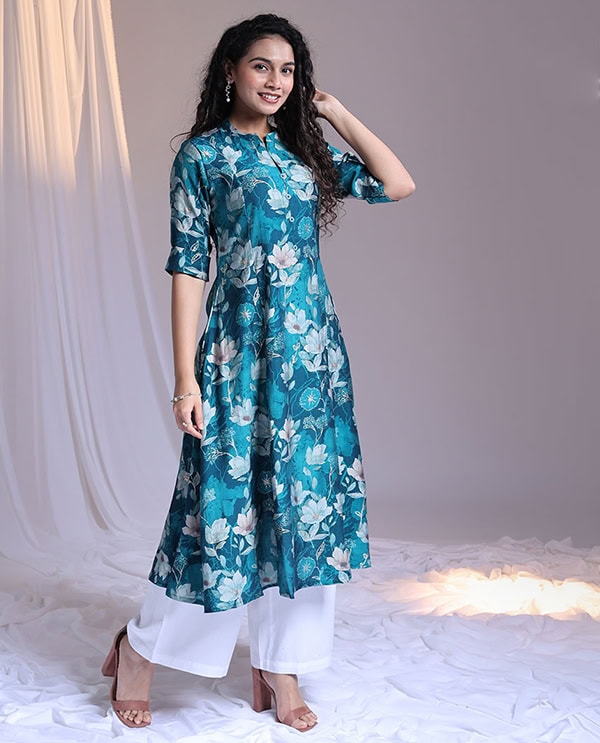
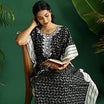
Younger women often choose paavadai sets or salwar-kameez in vibrant festival colours for evening celebrations. These outfits blend traditional elements with modern comfort, allowing professional women to celebrate fully.
Men’s Pongal Celebrations: The Dignity of Pongal Dress for Men
Male family members stepping out in traditional attire on Pongal morning represents a deliberate choice to honour culture.

The pongal dress for men consists of the veshti and angavastram combination. The veshti, a cloth with a gold zari border draped around the waist in traditional dhoti style, embodies humility, comfort, and connection to ancestral practices. Paired with a crisp white shirt or simple kurta, it creates effortless elegance.
The angavastram, draped gracefully across one shoulder, adds sophistication and adjusts based on comfort and personal preference. There’s dignity in how a man learns to drape it- from his father, from community elders, sometimes from his spouse and her family.
Pongal dress for men in traditional colours like golden yellow, deep orange, cream, or rich green represents the harvest’s abundance. These colours carry ceremonial weight.

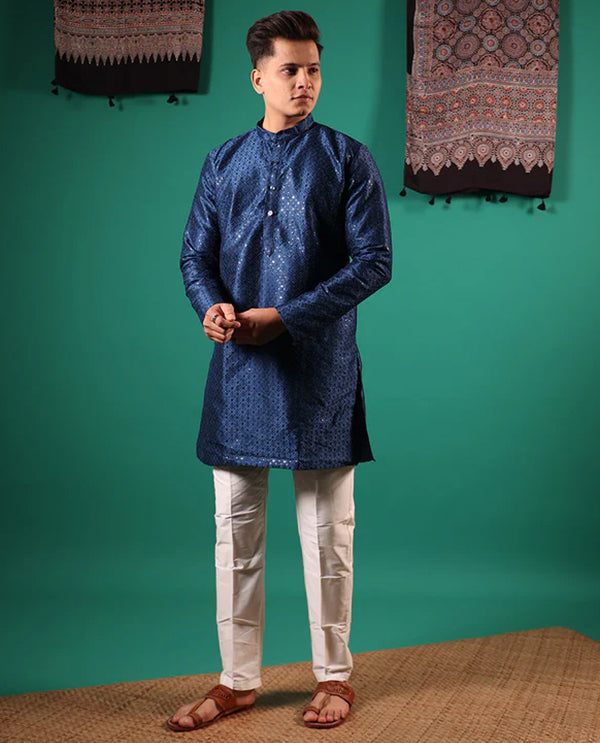
For younger men who prefer contemporary adaptations, kurta-pyjama sets in festive colours offer comfort whilst maintaining cultural respect. Whether your budget allows handwoven silk or comfortable cotton, the dignity remains constant.
Children’s Pongal Festival Dress: Planting Seeds of Identity
When children appear dressed in miniature versions of traditional attire, they absorb cultural identity through fabric and form.

For little girls, the pattu pavadai (a silk skirt with a matching blouse) remains cherished. Contemporary versions bring out elegant tops with graceful details that match the twinkle in her eye. The pleated skirt in vibrant colours moves beautifully when children play. This aesthetic has delighted Tamil and Telugu families for generations.

For young boys, the shirt-dhoti combination beautifully captures tradition, while some even opt for the dhoti-pants version with a long kurta for ease of movement. Bright yellow or deep orange pieces with complementary dhotis create a festive appearance. Boys appreciate the practicality- the loose dhoti fit allows for movement during traditional activities.
What makes the children’s pongal dress code meaningful is involving them in the selection. When parents help children choose their preferred shades, they learn that dressing traditionally is a conscious choice, connecting them to their roots, and not a mere obligation.
Practical Considerations: Comfort Meets Tradition

Pongal involves active participation throughout four days. Your clothing choices impact your ability to enjoy celebrations
- Select breathable materials like cotton, silk-cotton blends, or pure silk. Tamil Nadu’s January climate can become warm, especially during cooking or outdoor activities.
- Fit matters considerably. Properly securing your clothing transforms your Pongal dress code from frustrating to joyful.
- Traditional juttis or comfortable sandals work better than new shoes. Many families visit multiple homes during Kaanum Pongal, and comfortable feet enhance the experience.
The Deeper Meaning: Symbolism in Every Thread

Each colour carries spiritual significance in your pongal traditional dress selections. Yellow represents turmeric, symbolising purity and new beginnings. Green embodies fresh harvest and agricultural fertility. Red denotes joy and the sun’s sacred warmth. Orange captures celebration vibrancy.
When you choose a pongal dress in these colours, you’re participating in a centuries-old symbolic language.
Traditional motifs like peacocks, elephants, and lotus flowers carry meaning. Peacock designs signify grace and beauty. Elephant patterns represent strength. Lotus flowers symbolise spiritual purity. When your child wears a pavadai with peacock embroidery, they’re wearing symbols of auspiciousness.
Understanding these meanings transforms dressing into a conscious ritual. You’re enveloping yourself in symbolism, in prayers woven by artisans, in intentions families have carried for generations.
Pothys: Your Partner in Authentic Celebrations

At Pothys, family-centred Pongal celebrations represent our mission’s heart. We understand you’re curating your family’s visual narrative for one of India’s most significant celebrations.
Our collections recognise that authentic tradition isn’t one-size-fits-all. Our traditional silk sarees respect the weaving heritage and craftsmanship of each piece, offering traditional beauty through elegant colours and premium fabrics. Each piece is thoughtfully designed- we ensure everyone can find and wear the pongal traditional dress of their choice with confidence.
Pongal 2026: Dressing the Spirit of Harvest and Abundance

As you prepare for Pongal 2026 celebrations, choose pieces that make each member feel confident. Mix heritage with personal preference. Honour tradition whilst respecting comfort.
That balance between maintaining what was precious to those before us and creating ease for those beside us makes Pongal dressing truly beautiful!
However, at the end of the day, the outfit’s perfection is mainly a reflection of the celebration it supports. What matters is that shared moment when your family stands together, dressed in colours representing harvest and hope. That’s where real beauty lives in togetherness, deliberately chosen, tradition consciously honoured, and culture authentically celebrated.