















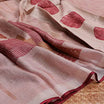
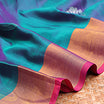
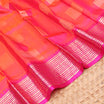











Before You Buy: How to Identify a Pure Kanjivaram Silk Saree

When you decide to buy a Kanjeevaram saree, it's usually for something special – a wedding in the family, a bride's trousseau, or a celebration you want to remember. Because it's such an important purchase, you naturally want to make sure you're choosing the real thing. But with so many options available today, it's not always easy to know how to identify a pure Kanjivaram soft silk saree.
The weave, the weight of the silk, and the quality of the zari can reveal a lot about authenticity. Whether you're exploring pure Kanjivaram soft silk sarees casually, or selecting Kanjivaram sarees for the bride, knowing these details helps you choose with confidence. In this blog, we have covered everything you need to know before buying a pure Kanjivaram saree.
Why Knowing a Real Kanjivaram Silk Saree Makes All the Difference
Understanding authenticity is important before investing in a Kanjeevaram saree. These sarees are known not only for their visual richness but also for the craftsmanship and materials that go into making them. Knowing what makes them unique helps buyers appreciate their value and avoid imitations.
The Heritage of the Kanjeevaram Saree
The Kanjeevaram saree originates from the temple town of Kanchipuram in Tamil Nadu, a place known for its centuries-old silk weaving tradition. Skilled artisans use traditional handloom techniques to create sarees that are recognised for their durability, vibrant colours, and distinctive motifs inspired by temple architecture, nature, and mythology.
Because of the intricate weaving process and high-quality silk used, Kanjeevaram sarees are widely regarded as one of the most prestigious silk sarees in India. They are especially popular for weddings and ceremonial occasions, which is why many families choose them as Kanjivaram sarees for the bride.
Why Purity Affects Quality and Price
The authenticity of the silk and zari used in the saree directly influences the Kanjivaram pure silk saree price. Genuine Kanjeevaram sarees are woven with high-grade mulberry silk threads and zari that traditionally contains silver coated with gold. These materials add to the saree's weight, shine, and durability. In contrast, blended or imitation versions may use artificial fibres or synthetic zari, which can look similar at first glance but lack the same richness and longevity. This is why understanding the difference between blended silk and authentic silk is essential when learning how to identify a pure Kanjivaram silk saree.

How to Identify a Pure Kanjivaram Silk Saree

When you're investing in a Kanjeevaram saree, knowing what to check can make a big difference. Authentic pieces have distinct characteristics in their fabric, weaving, and zari work. Paying attention to these details helps you confidently understand how to identify a pure Kanjivaram soft silk saree before making a purchase.
Check the Silk Texture and Weight
One of the first things you may notice in an authentic saree is its weight and texture. A genuine Kanjeevaram saree is typically heavier than many other silk sarees because of the dense weaving technique and the quality of the silk used. The fabric should feel rich, smooth, and slightly firm when you touch it. Even pure Kanjivaram soft silk sarees, which are lighter compared to traditional varieties, maintain a structured drape and do not feel flimsy.
Examine the Zari Work
Zari plays a major role in the look and value of the saree. Traditional Kanjeevaram sarees use zari made from silver threads coated with gold, which gives the borders and motifs a subtle, refined shine. When examining the saree closely, an authentic saree will appear elegant rather than overly bright. In contrast, imitation zari often looks excessively shiny or feels lightweight, which can affect both the durability and the overall Kanjivaram pure silk saree price.
Look at the Border and Body Weaving
Another important feature is how the border and body are woven together. In a traditional Kanjeevaram saree, the border, body, and pallu are woven separately and then joined using a unique interlocking technique known as "Korvai". This method creates a strong, durable joint and is a key indicator of authentic craftsmanship.
Inspect the Reverse Side of the Saree
Turning the saree over can reveal a lot about its quality. On the reverse side of a genuine Kanjeevaram saree, the weaving will appear neat and consistent. Loose threads, glued borders, or uneven finishes may suggest imitation weaving rather than handloom work.
Popular Types of Pure Kanjivaram Soft Silk Sarees

Kanjivaram sarees are known for their variety in designs, motifs, and weaving styles. While the core craftsmanship remains traditional, different variations have become popular for specific occasions and preferences. From heritage-inspired patterns to lighter options, these styles highlight the versatility of pure Kanjivaram soft silk sarees.
Classic Temple Border Sarees
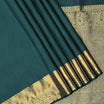
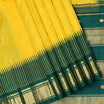
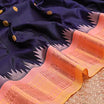
Temple border sarees are among the most recognisable styles of the Kanjeevaram saree. These sarees feature distinctive triangular or architectural motifs along the borders, inspired by South Indian temple structures. Often woven in rich colours such as deep green, maroon, or traditional gold, they are a celebrated example of authentic craftsmanship and a favourite choice for festive occasions.
Bridal Kanjivaram Sarees
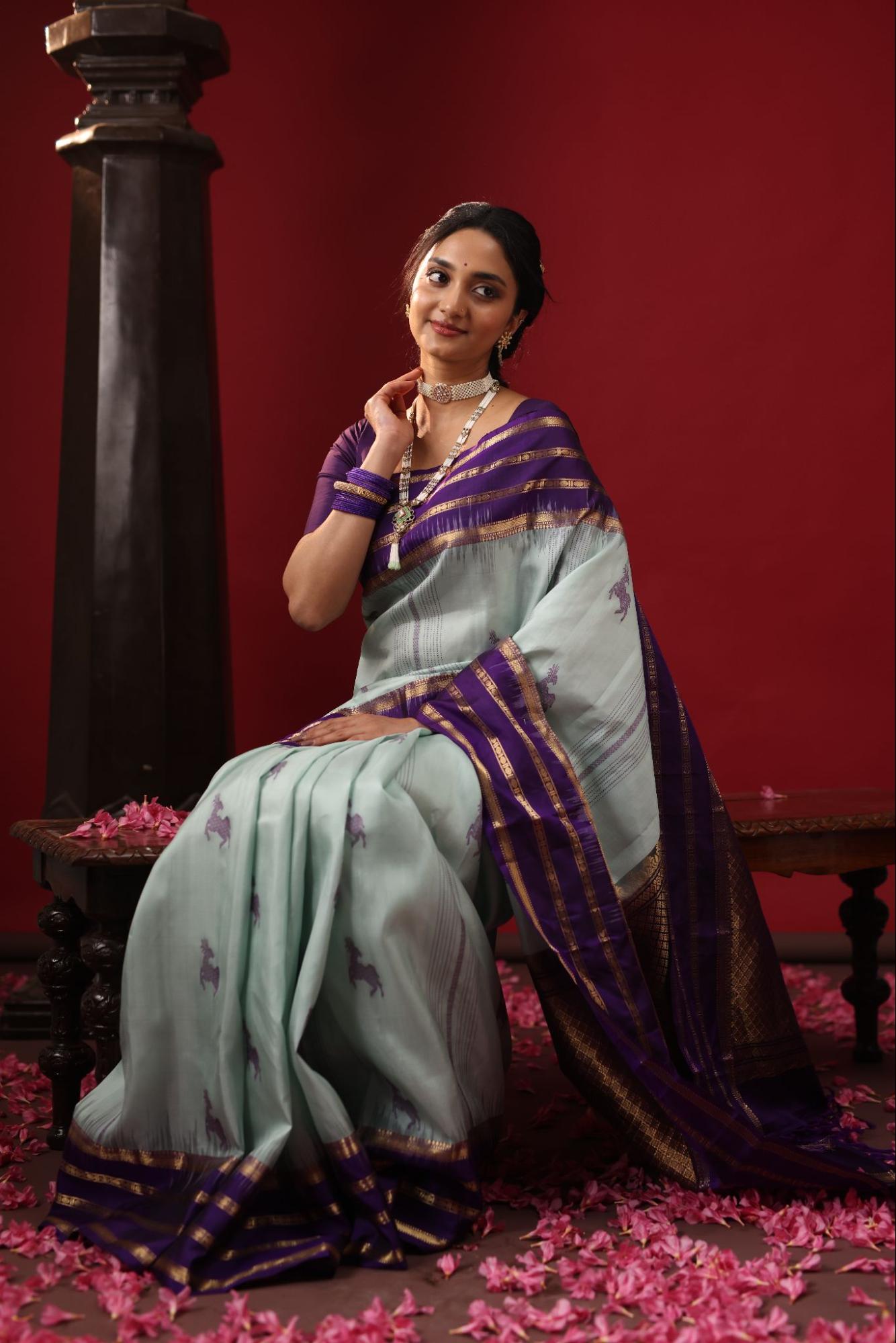
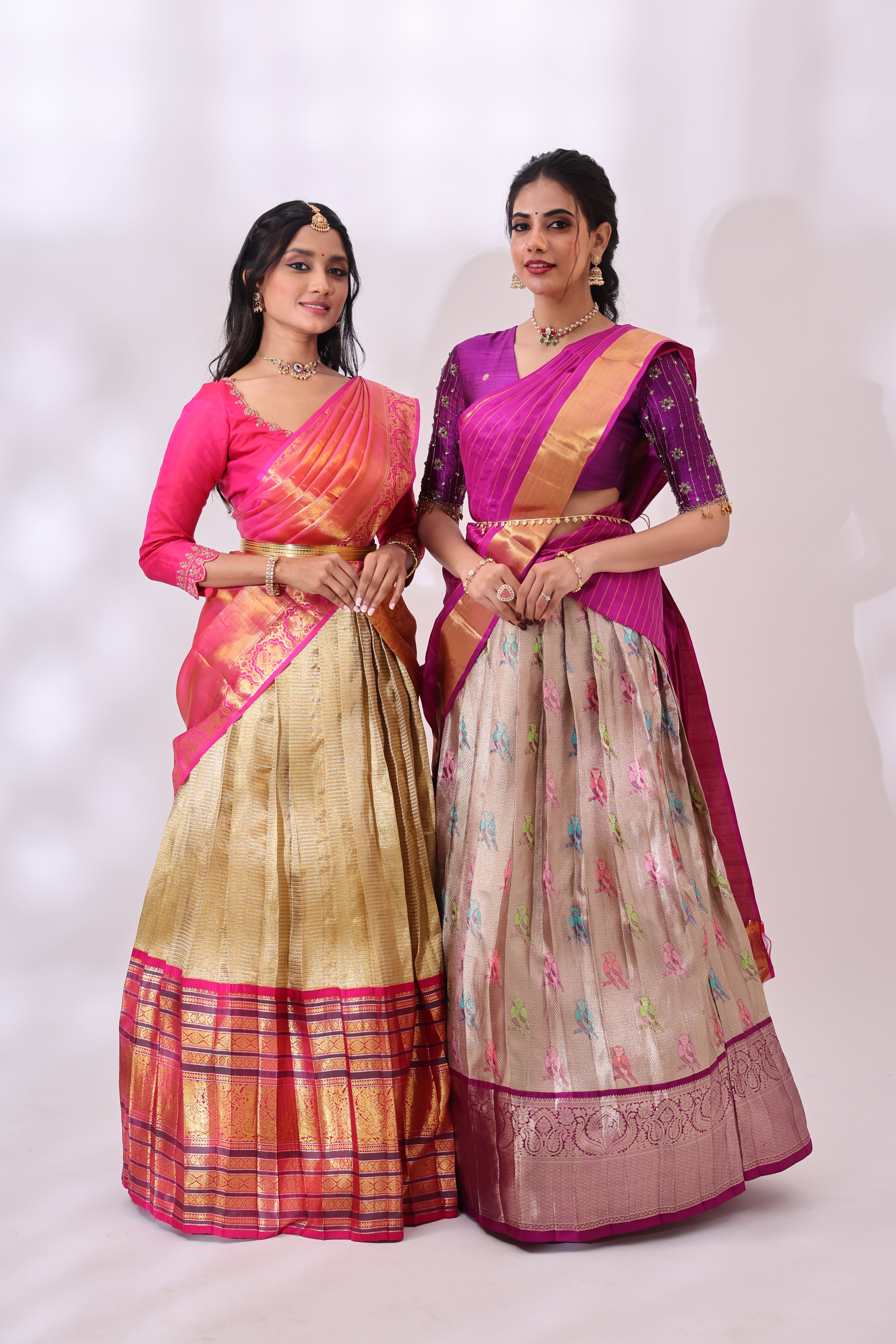
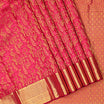
For weddings, many brides choose richly woven Kanjivaram sarees for bride in colours like red, maroon, gold, and royal blue. These sarees often feature intricate motifs, wide borders, and grand pallus, making them ideal for ceremonial occasions.
Lightweight Soft Silk Variants
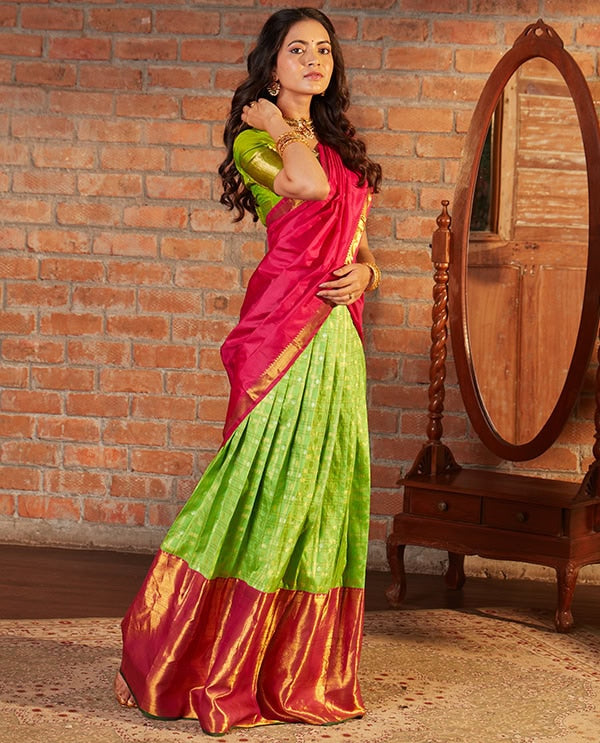
Lighter pure Kanjivaram soft silk sarees offer the same elegance with a more comfortable drape, making them suitable for long celebrations and receptions.

Where Authentic Kanjivaram Craftsmanship Meets Trusted Shopping: Why Choose Pothys
When investing in a Kanjeevaram saree, authenticity and craftsmanship are essential. Pothys has long been known for offering carefully curated silk collections that reflect the heritage of traditional weaving while maintaining consistent quality. From richly woven bridal pieces to elegant pure Kanjivaram soft silk sarees, the collection includes a wide variety suited for weddings, festive occasions, and family celebrations.
For brides and families preparing for special events, Pothys offers an extensive range of Kanjivaram sarees for the bride, featuring classic motifs, vibrant colours, and intricate zari work. Each saree reflects the attention to detail that defines authentic Kanjivaram weaving.
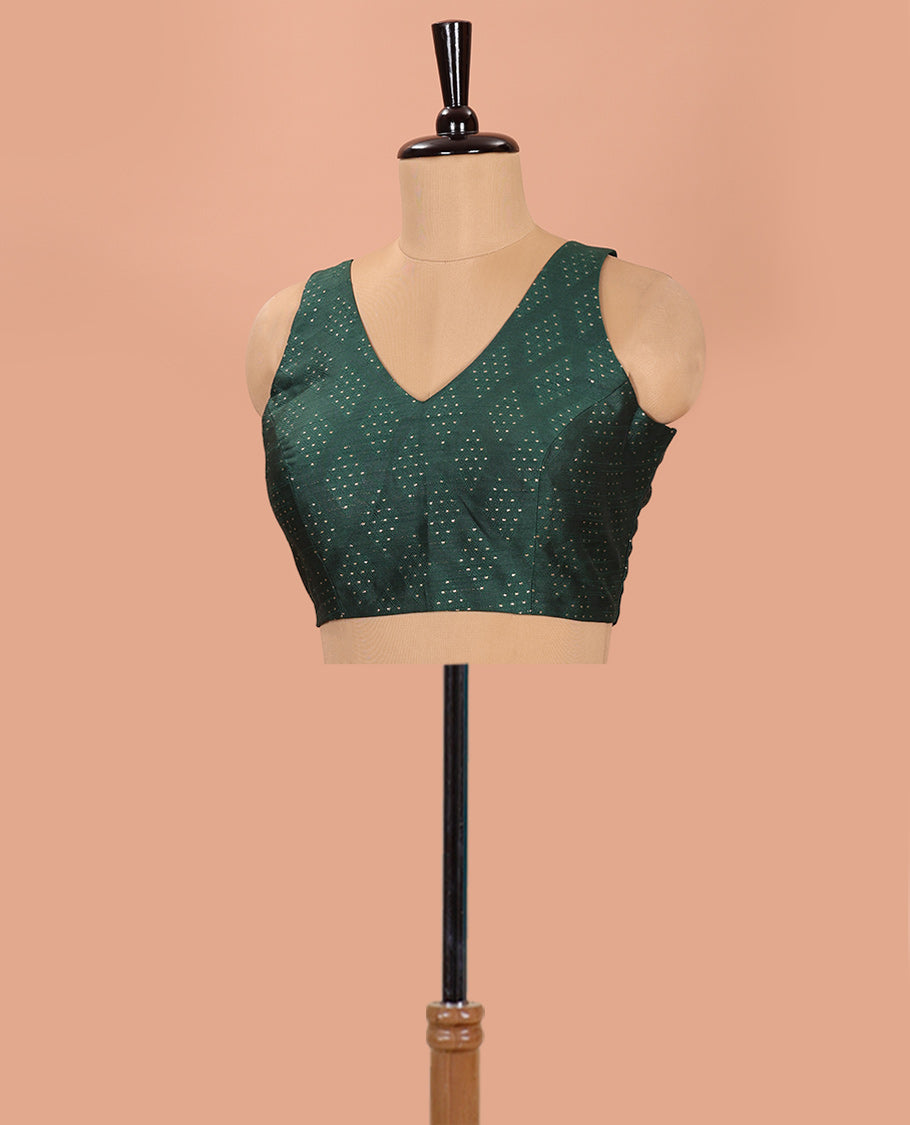
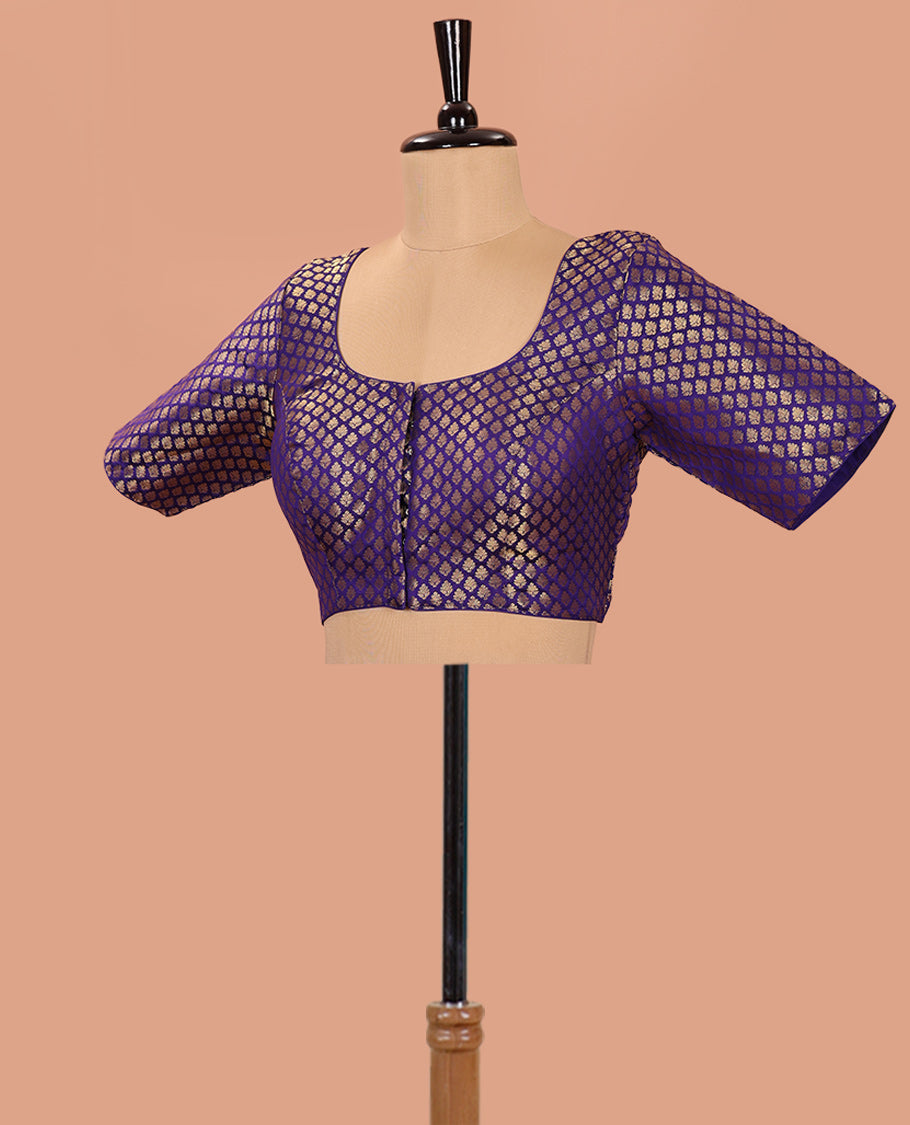
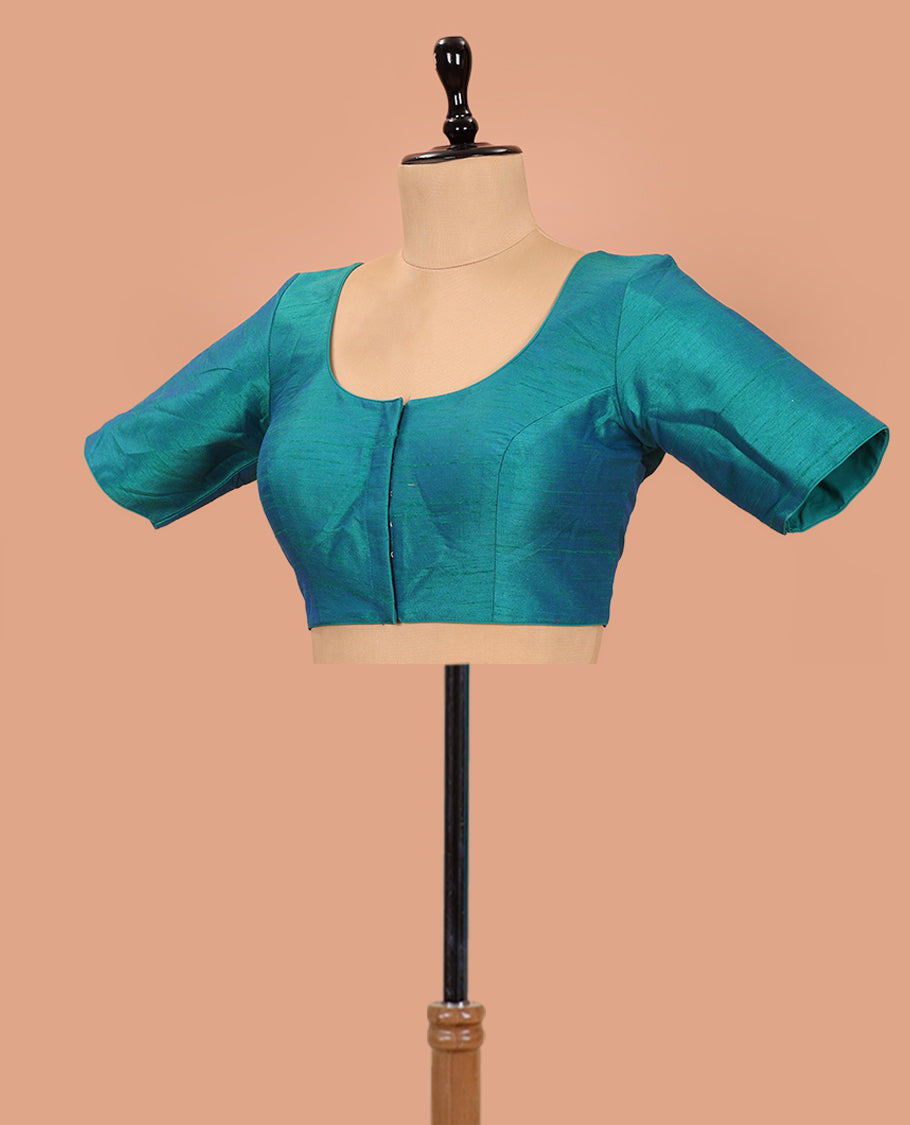
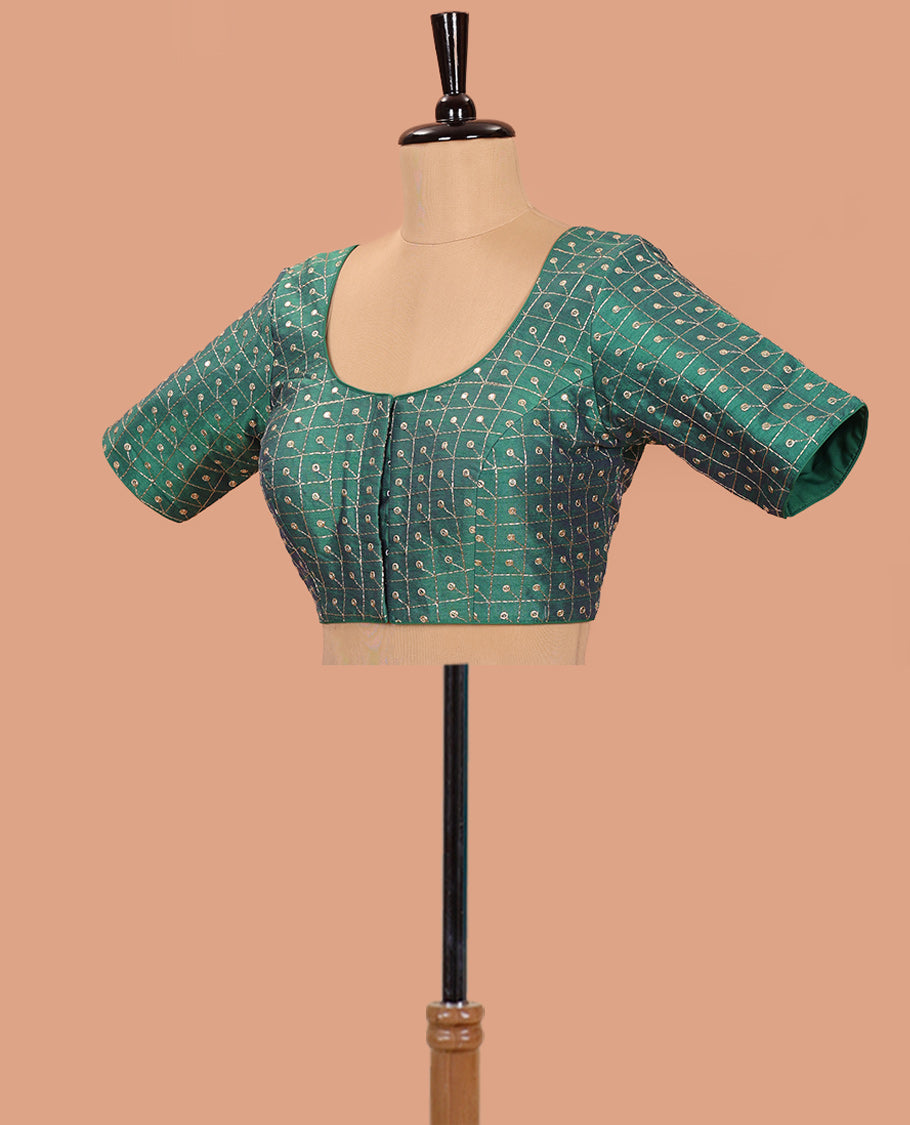
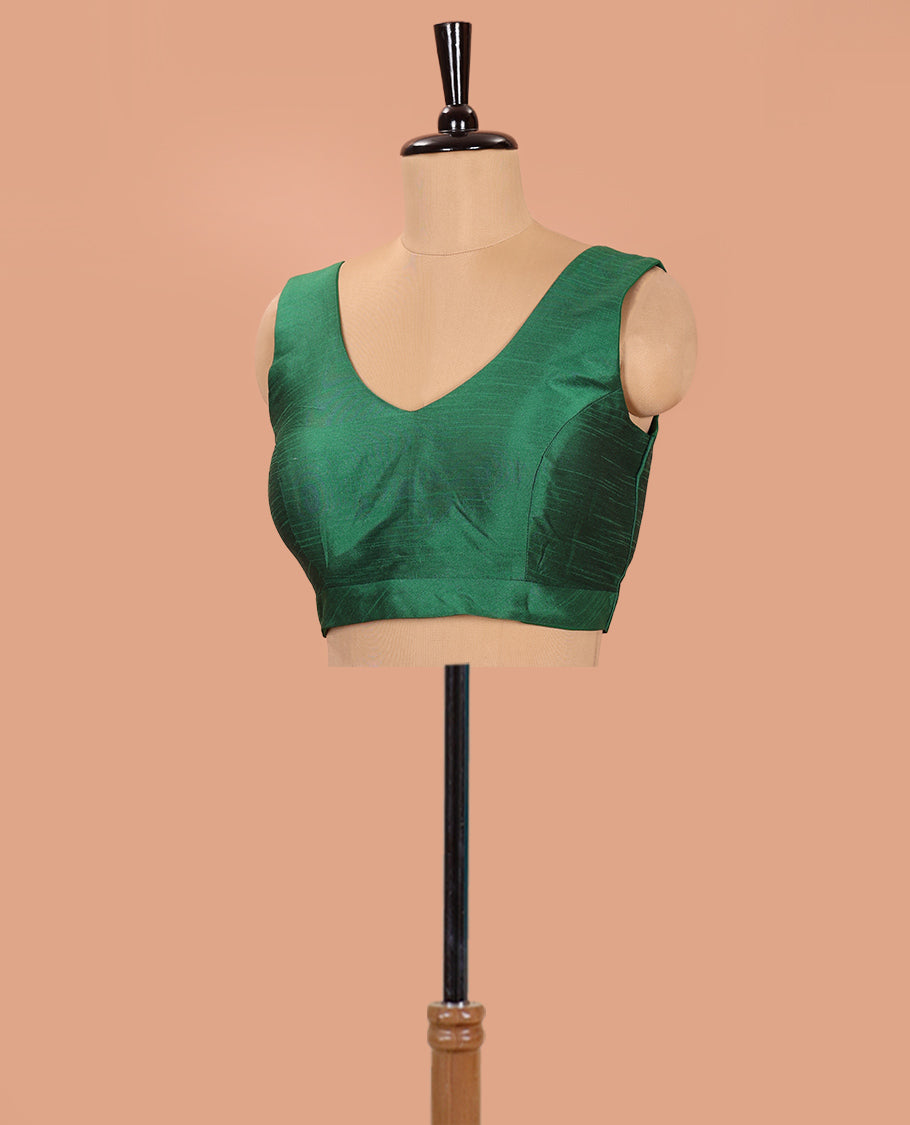
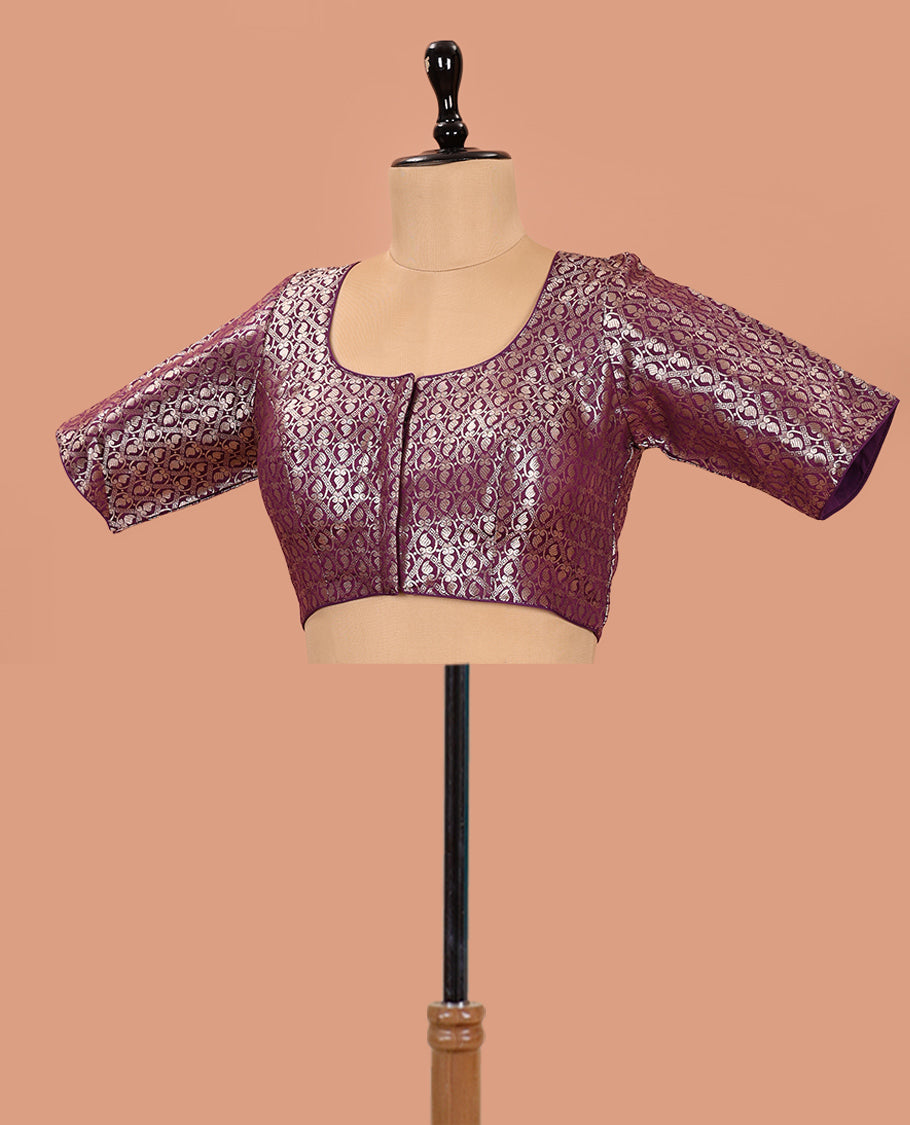
Another advantage is the availability of custom-made blouses, allowing customers to create a complete look tailored to their saree. In addition, Pothys provides international shipping, making it possible for customers around the world to access traditional Kanjivaram sarees with ease. With heritage, quality fabrics, and trusted service, Pothys remains a reliable destination for silk saree shopping.
FAQs
How can I identify a pure Kanjivaram silk saree?
You can identify a pure Kanjivaram silk saree by checking its weight, silk texture, zari quality, and the traditional interlocking weave used to join the border and body.
Why is the Kanjivaram pure silk saree price higher than that of other sarees?
The Kanjivaram pure silk saree price reflects the quality of mulberry silk, real zari work, and the traditional handloom weaving process used to create each saree.
Are pure Kanjivaram soft silk sarees suitable for weddings?
Yes, pure Kanjivaram soft silk sarees are popular for weddings and festive occasions, especially as elegant Kanjivaram sarees for the bride or bridal events.