








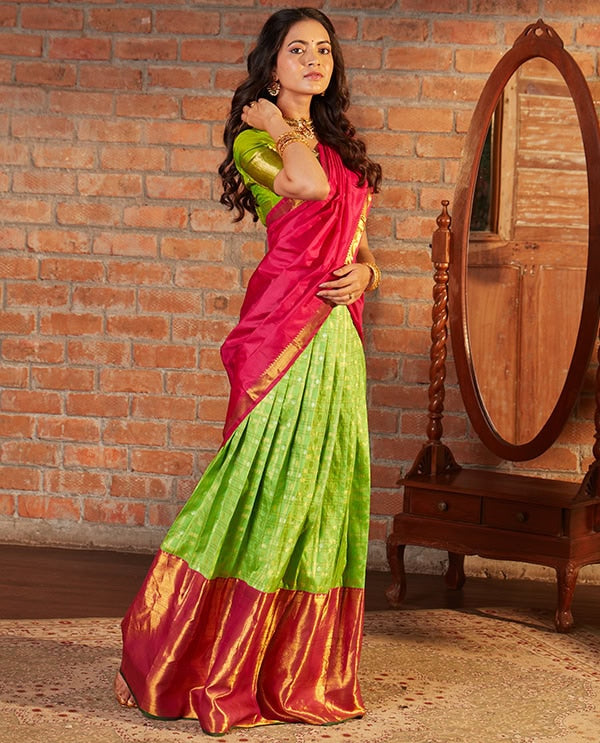
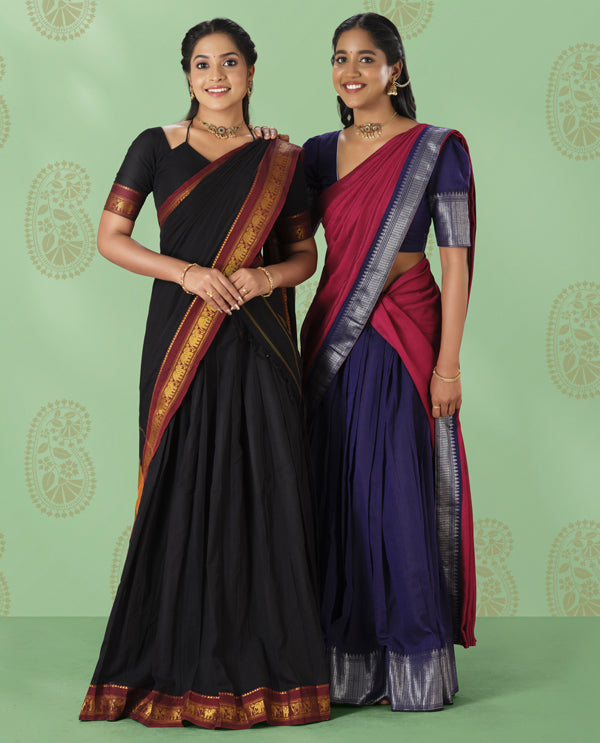



























How to Drape a Saree for the First Time: A Beginner’s Step-by-Step Guide

There's always that one moment, standing in front of the mirror with six yards of fabric in hand, wondering how to drape a saree more times than you can count, you're not alone. For many first-timers, the pleats, the pallu, and the perfect tuck can feel like an overwhelming challenge.
However, by just following the right saree draping steps and a little practice, easy saree draping becomes a skill that you can quickly master. Once you master the basics, you can explore the different ways to drape a saree and style beautiful looks that stun every time.
First Time Draping a Saree? Start with the Right Fabric
As a beginner learning how to drape a saree, it is all about the fabric you choose. Choosing the right material makes a huge difference. For newbies, lightweight and easy-flowing fabrics are your best friend.
- Georgette and chiffon sarees glide smoothly and make pleating look easy.
- Soft cotton sarees offer structure and help you understand neat draping steps.
- Crepe and lightweight silk blends are also great for easy saree draping without constant adjustments.
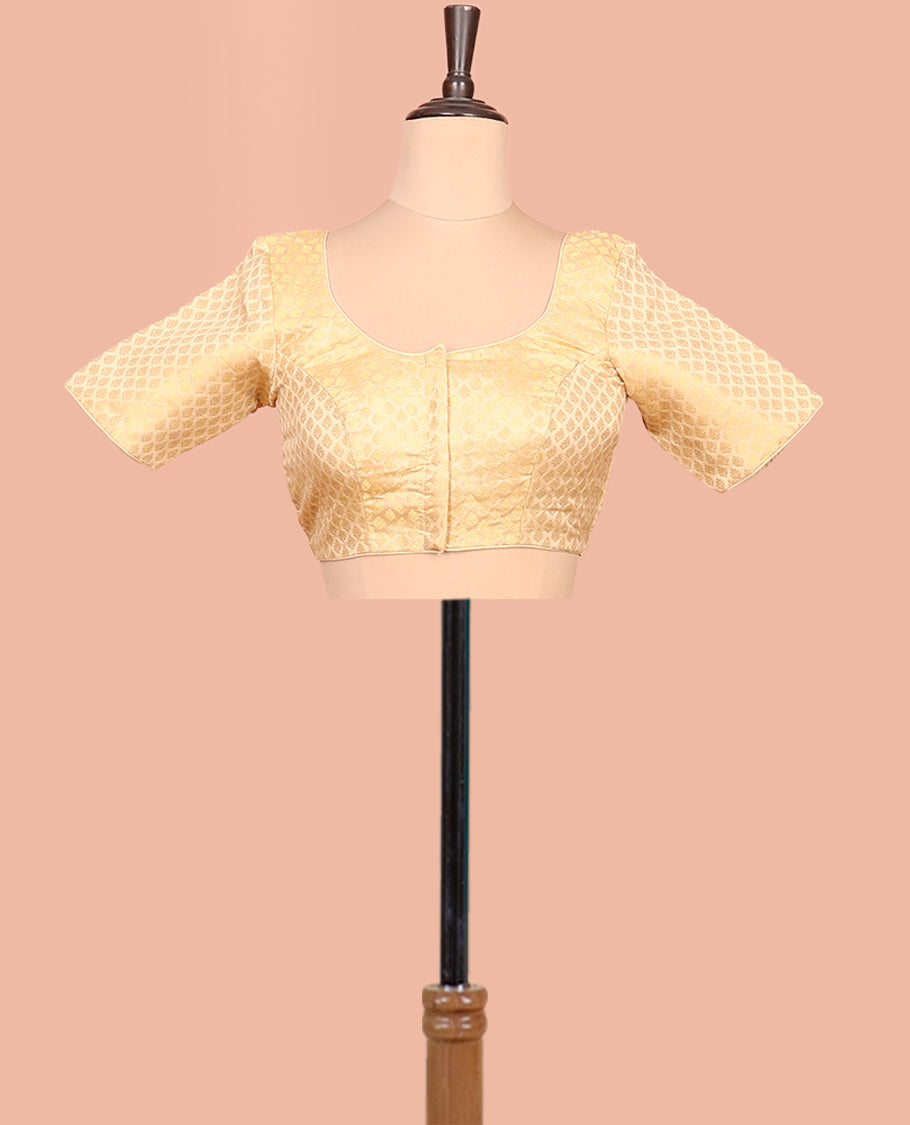
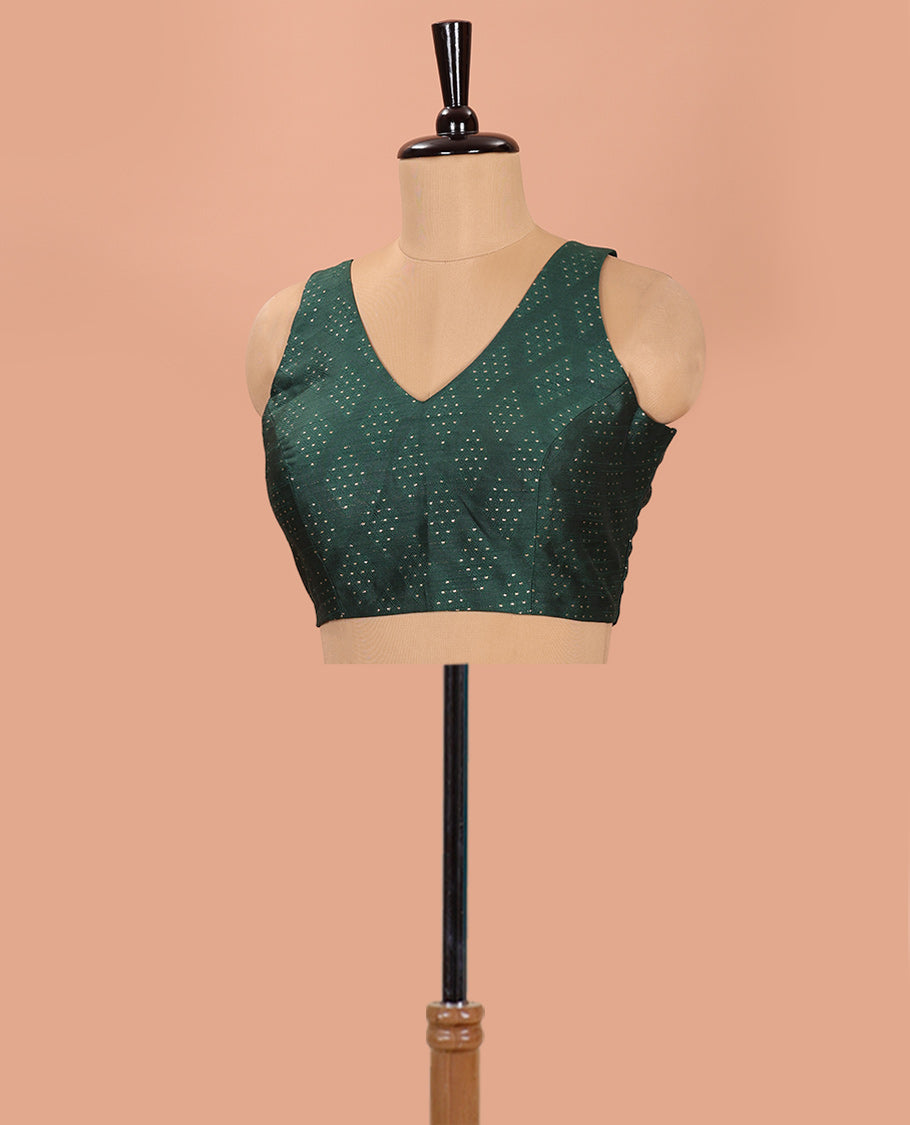
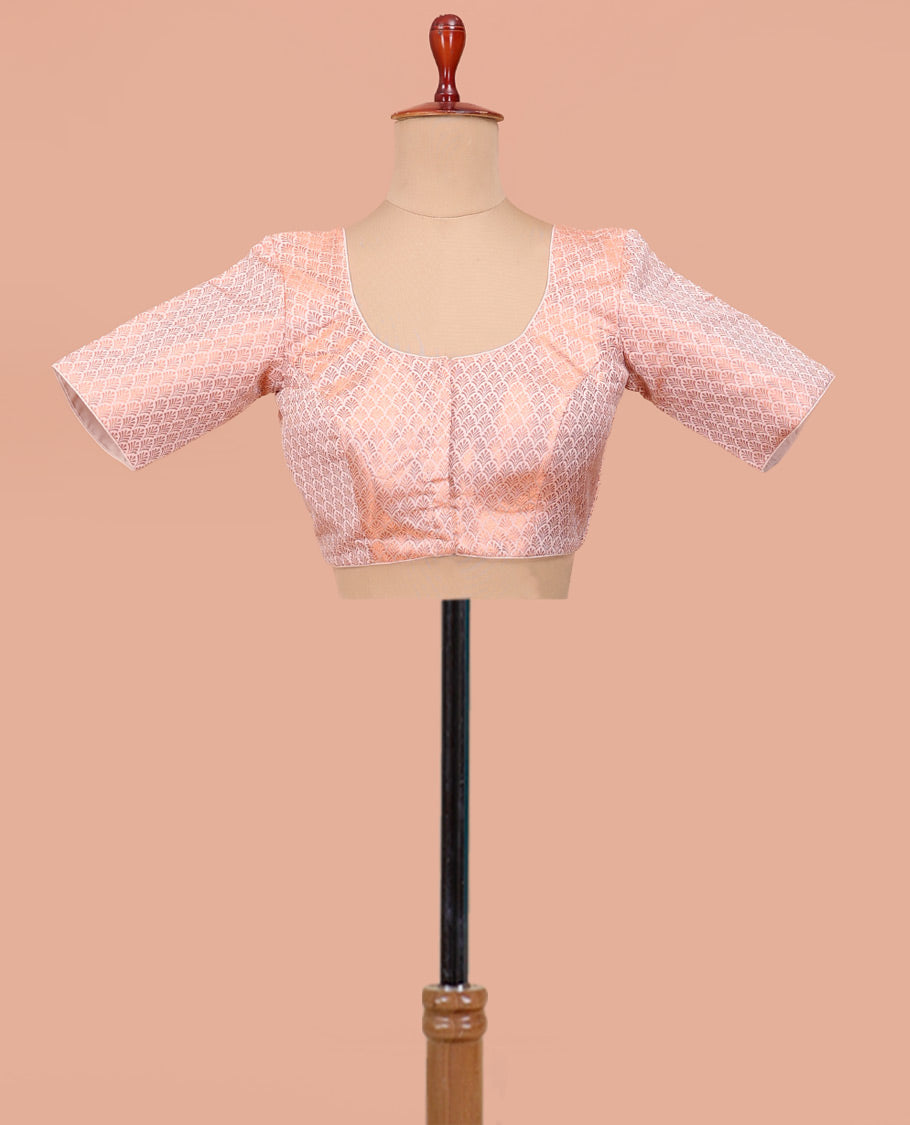
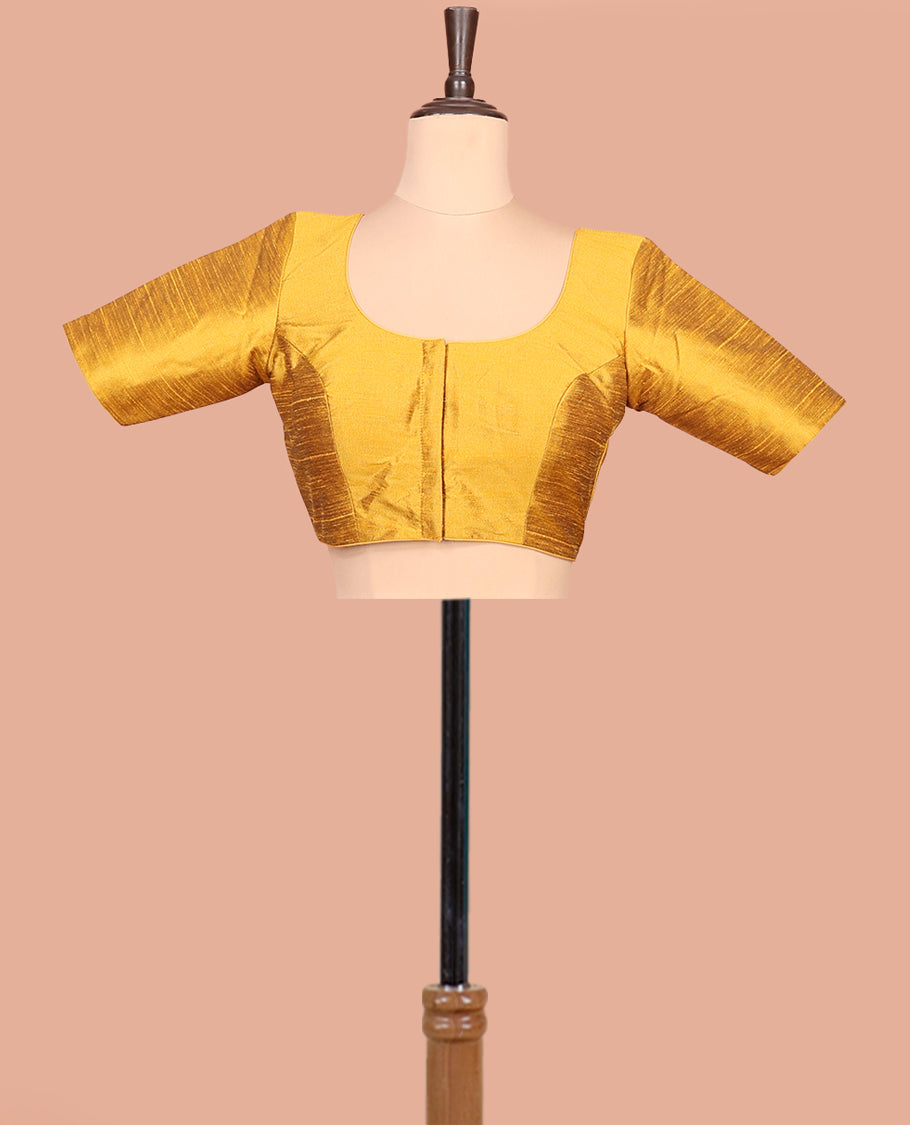
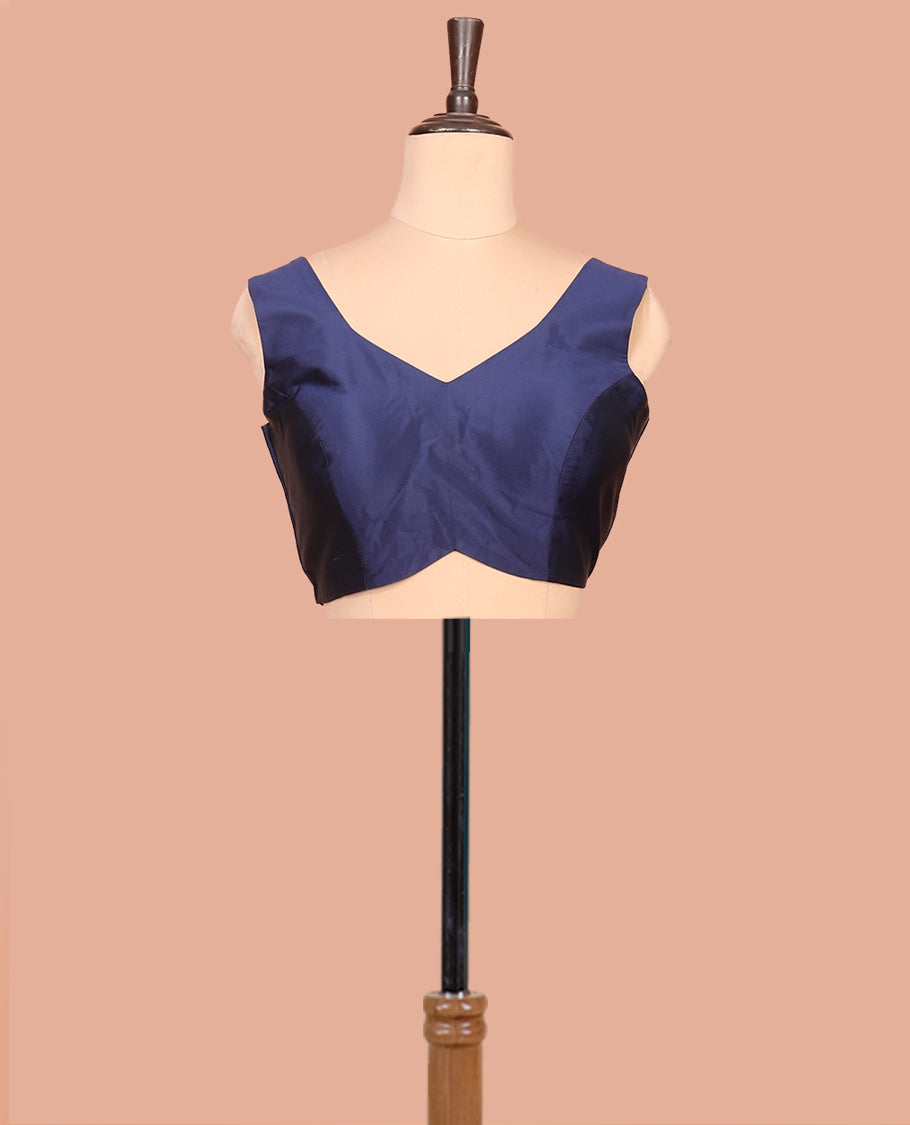
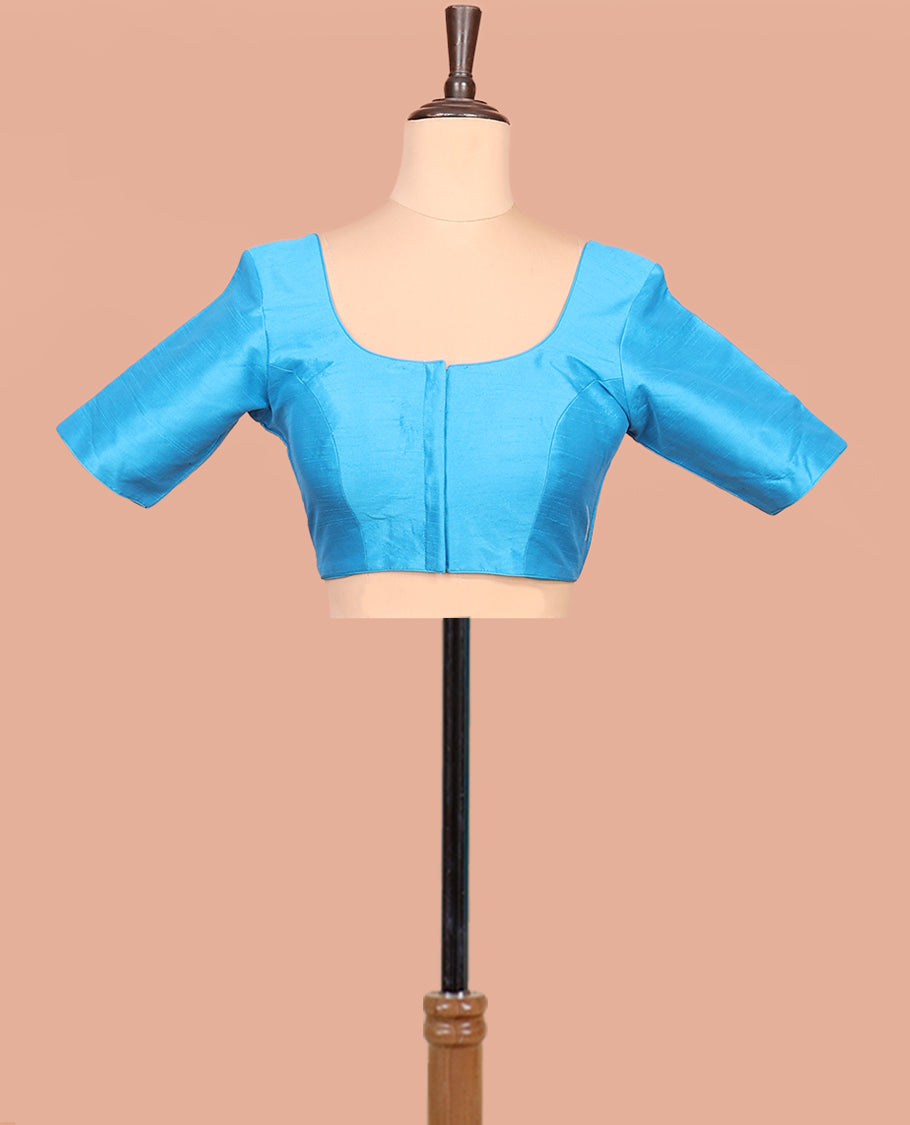
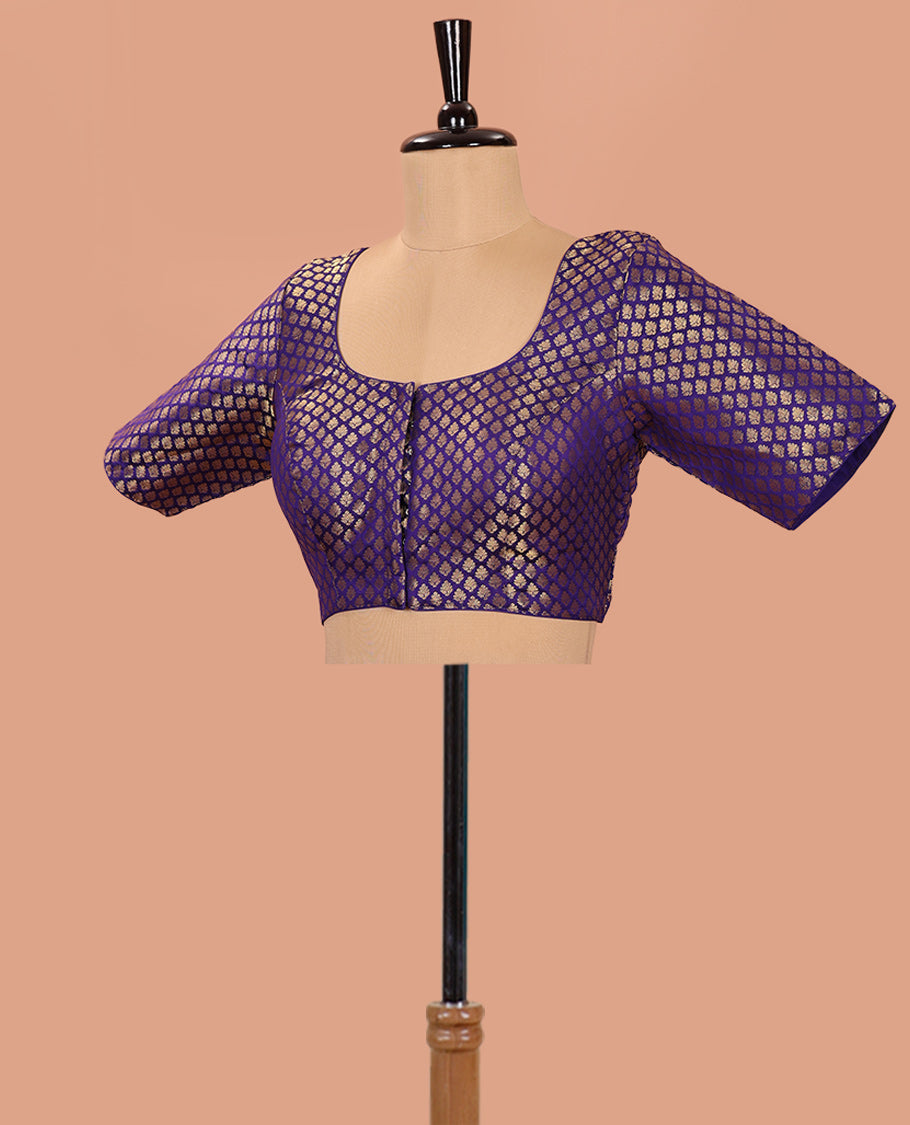
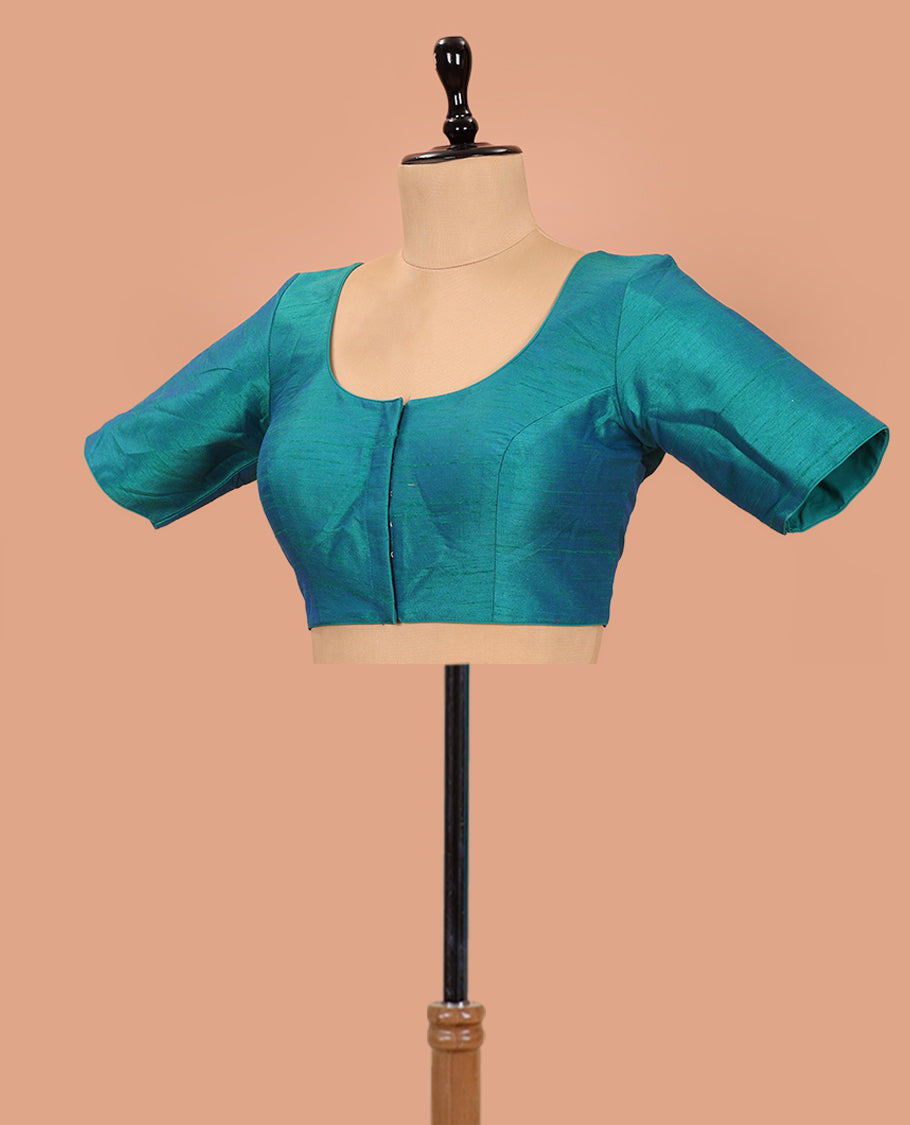
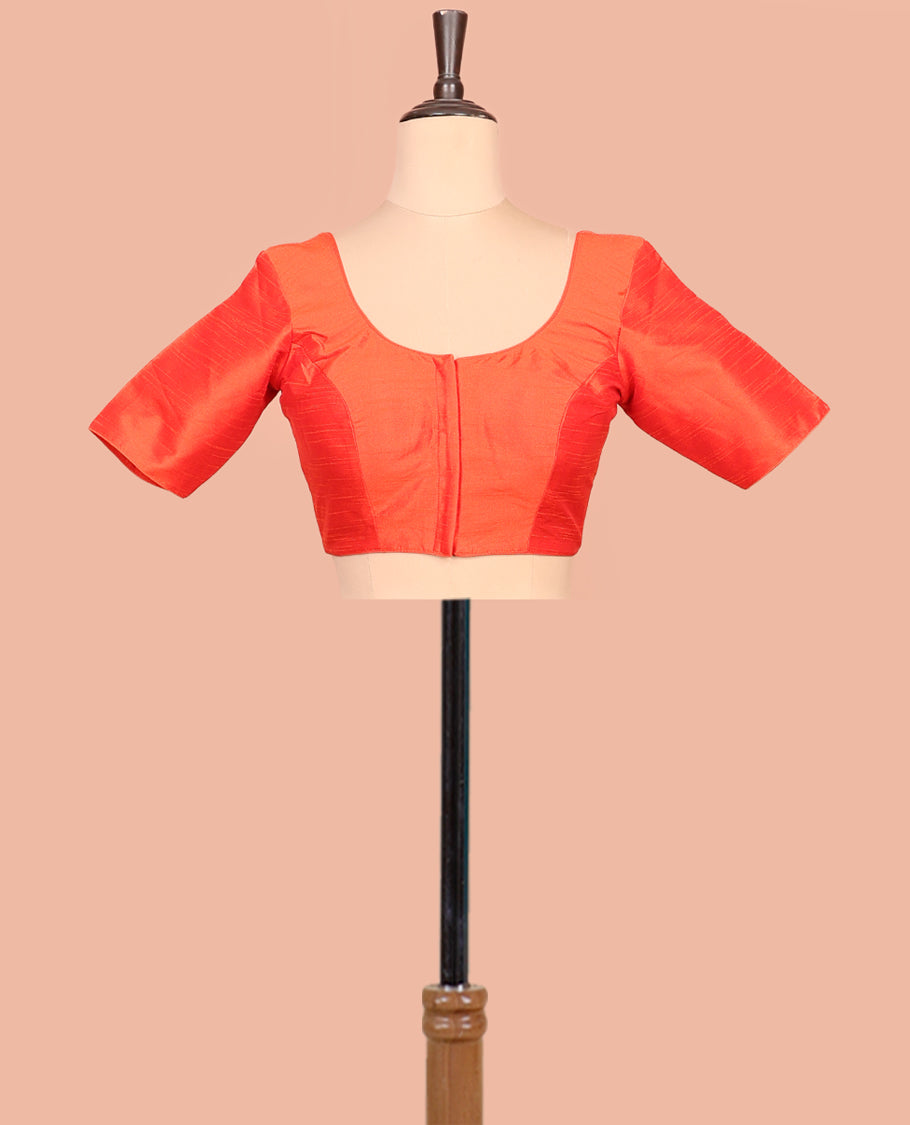
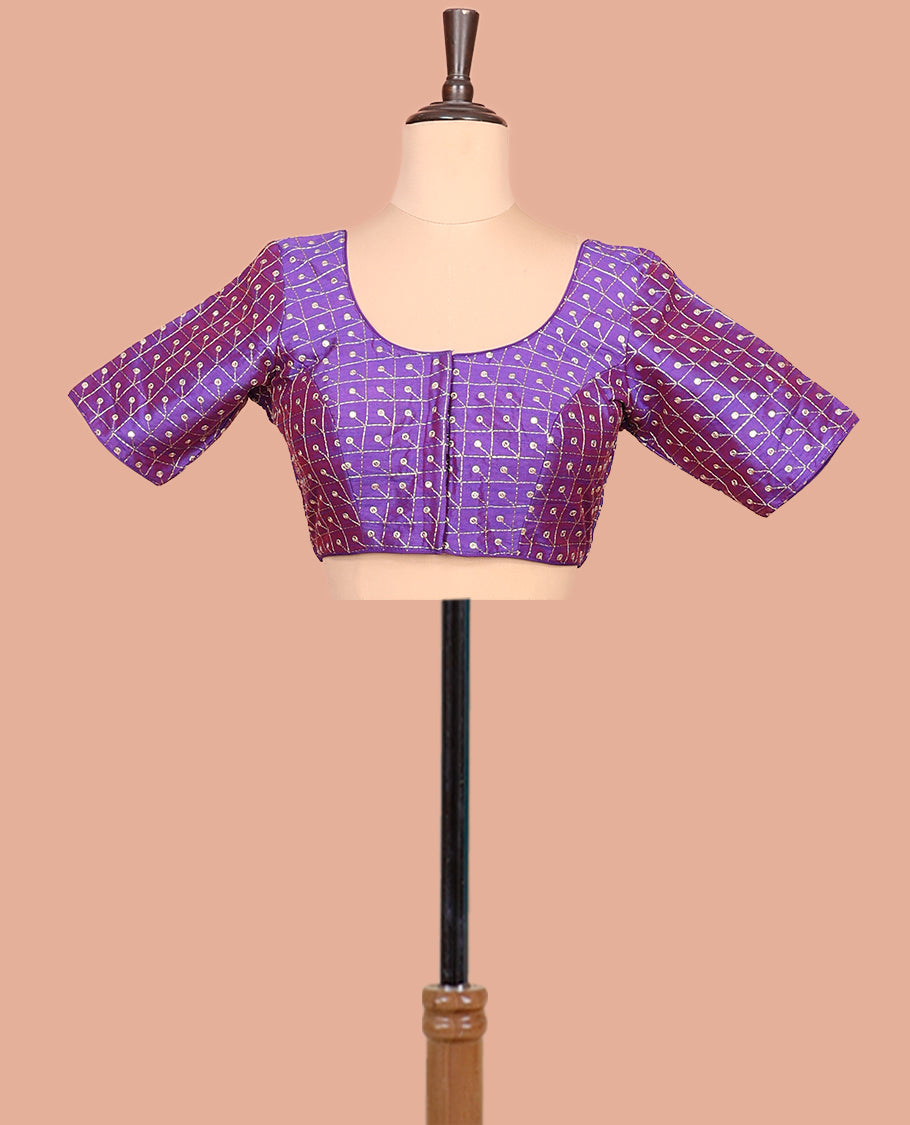
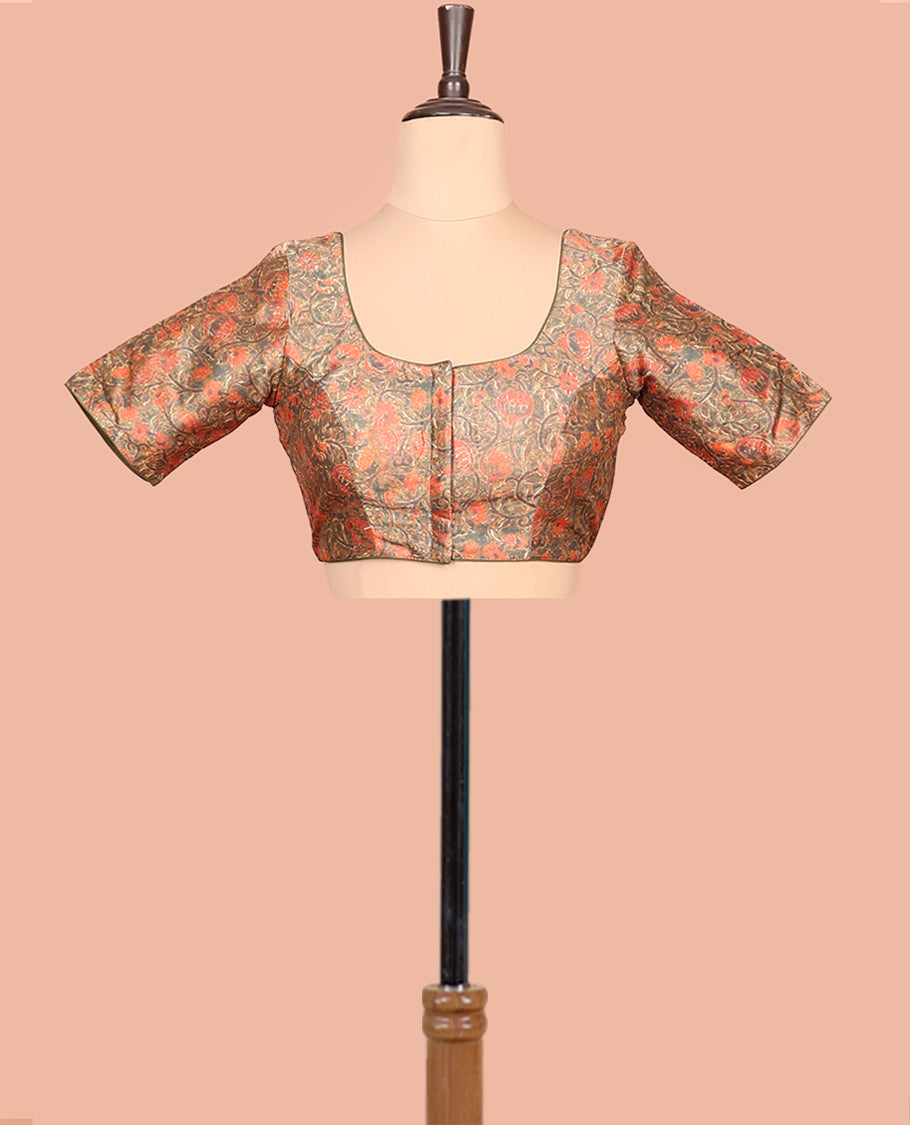
You'll also need a well-fitted blouse, a comfortable petticoat with a firm drawstring, safety pins for secure pleats, and a full-length mirror. With the right essentials, mastering the different ways to drape a saree becomes far less intimidating and much more enjoyable.

Your First Drape Made Simple: A Beginner-Friendly Step-by-Step Guide

Let's make your first drape smooth and stunning. If you're learning how to drape a saree, these clear saree draping steps will make the process feel effortless.
Step 1: Prep the Base
Wear your blouse and securely tie your petticoat at the natural waist. Make it just tight enough to hold the saree firmly in place.
Ensure the petticoat knot is firm, as it forms the foundation of your drape. Adjust the blouse fit so it sits comfortably without gaps or pulling. Taking a moment to set the base properly will make the entire saree draping process smoother and more secure.
Step 2: The First Tuck
Start by tucking the plain end of the saree into the petticoat at your right waist. Wrap it once around your body from right to left, adjusting the length so the hem touches the floor.
Make sure the saree fits snugly around the waist without feeling too tight. Before proceeding, ensure that the lower edge falls evenly across the entire perimeter. Smooth the fabric as you wrap to avoid folds and provide a clean foundation for the next steps.
Step 3: Create the Pleats
Gather 5–7 even pleats, keep them uniform in width. Align them neatly and tuck them into the centre front of your waist. This step defines the silhouette.
Hold the pleats tightly together and line the edges for a tidy finish. Adjust the length so that they graze the floor without bunching. Secure with a safety pin if necessary to keep the shape and silhouette sharp all day.

Step 4: Drape the Pallu

Bring the remaining fabric around your body and drape the pallu over your left shoulder. Adjust the fall and secure it with a pin.
Allow the pallu to fall gently to your preferred length, ensuring that it is neither too tight nor loosely fitting. If you like a more structured style, make precise pleats before laying it on the shoulder. Smooth down any creases and secure discreetly to ensure the drape remains stylish and comfortable throughout the day.
With this, your first saree drape is complete! With practice, easy saree draping becomes natural. Once you master this draping technique, you can explore the different types of saree draping techniques that will elevate your saree to look graceful and effortless.
Beyond the Basics: Stylish Drapes That Elevate Your Look
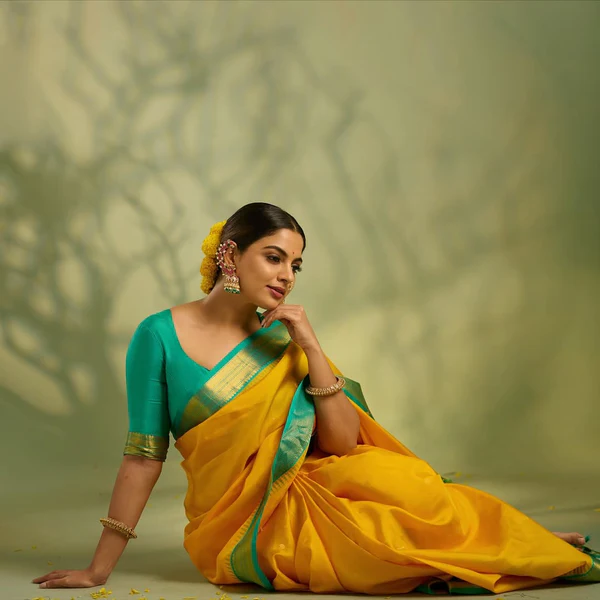
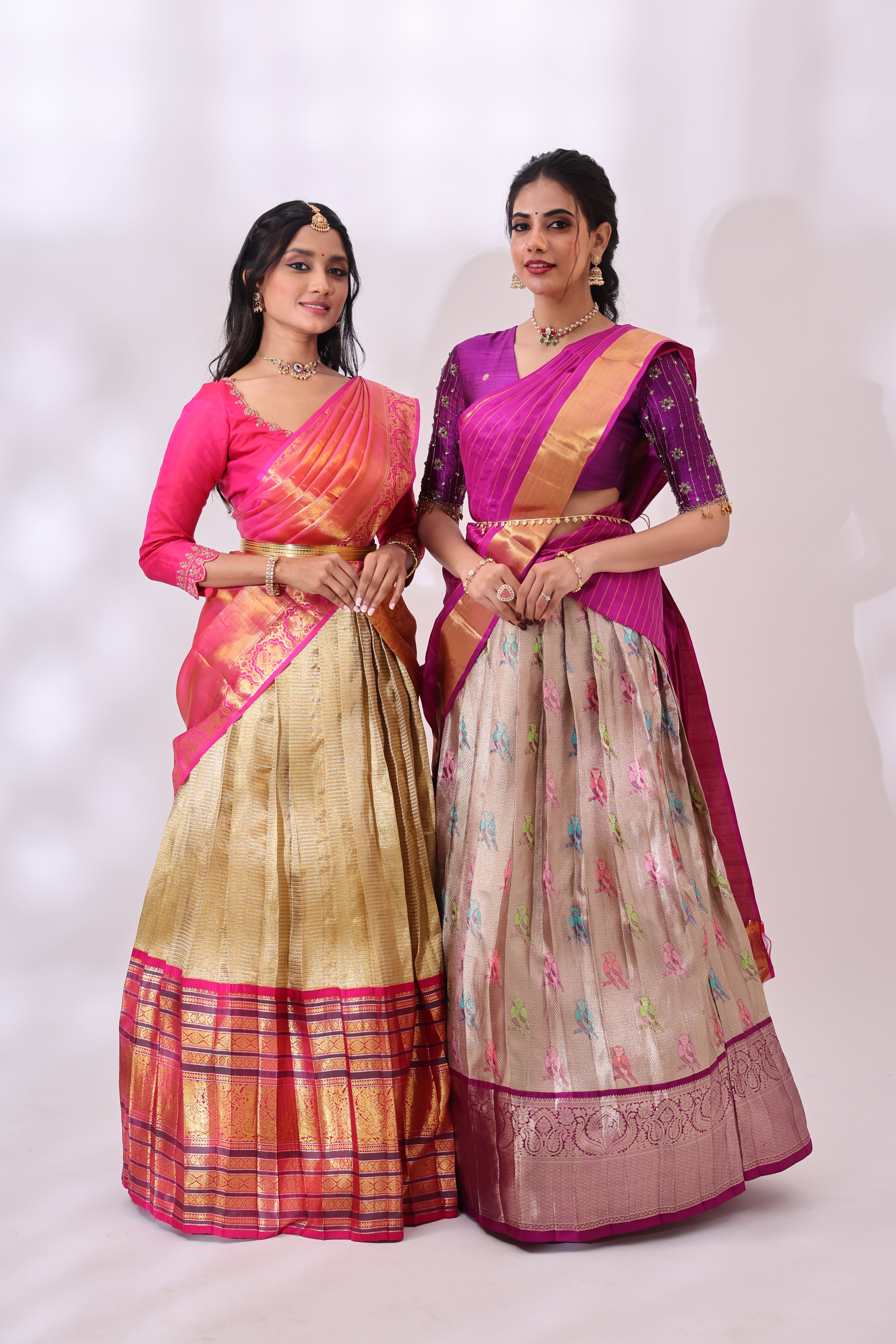
Once you're confident with the classic style, it's time to explore different ways to drape a saree that reflect different regional and trend styles. Each drape pairs beautifully with certain weaves and fabrics, enhancing its overall appeal.
Bengali Style
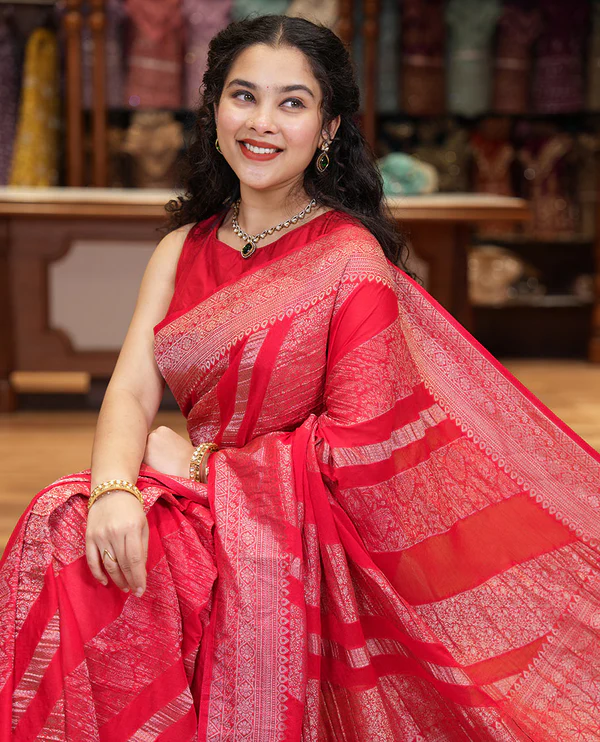
This style is known for its wide front pleats and pallu draped over both shoulders. The style exudes festive grandeur. The draping looks best in a rich red and white cotton saree, traditional handloom weaves, or ornate silk sarees that highlight bold borders. The saree is perfect for Durga Puja celebrations and cultural gatherings.
Gujarati Style
In this graceful variation, the pallu comes from the back to the front over the right shoulder, allowing detailed embroidery to shine. Bandhani sarees, patola silks, or heavily embellished bridal silks complement this drape wonderfully, making it ideal for weddings and festive occasions.
Modern Belted Style
A contemporary favourite, this drape secures the pallu at the waist with a belt for a structured silhouette. Flowing chiffon, georgette, or organza sarees work especially well here, blending tradition with modern elegance.
Maharashtrian Nauvari Style
Rooted in tradition, the Nauvari drape is worn in a dhoti-style format, allowing ease of movement while maintaining cultural elegance. Unlike the classic six-yard drape, this style traditionally uses a nine-yard saree and creates a powerful silhouette. It pairs beautifully with Paithani sarees, traditional silk weaves, or rich cotton handlooms that highlight bold borders and intricate pallus.
These are the different types of saree draping that let you reinterpret tradition in your own distinctive way.
Effortless Elegance: Simple Tips for Flawless Draping
Mastering how to drape a saree becomes far easier when you combine the right technique with a few thoughtful styling tips.

Choose the Right Fabric
To simplify your draping process, pick lightweight fabrics. Materials like chiffon, georgette, or soft cotton make draping easier. These materials hold pleats well and are easier to manage while learning how to drape a saree confidently.
Perfect your Pleats
Neat, even pleats instantly elevate your look. Take your time while following the saree draping steps. Uniform pleats create a structured silhouette and make movement comfortable.
Secure Smartly
Use safety pins discreetly at the shoulder and waist to keep the pallu and pleats in place. Small adjustments ensure your drape stays elegant all day, no matter the occasion.
Your First Saree, Made Special with Pothys

At Pothys, we make your first saree experience effortless and memorable — whether you're new to draping or exploring elegant styles. Our beginner-friendly collection features lightweight fabrics that are easy to pleat and beautifully crafted.
We also offer custom-made blouses tailored to your measurements for the perfect fit. With international shipping available, shoppers looking for traditional fits around the world can enjoy timeless weaves and confident drapes delivered straight to them. Explore Pothys best saree collections for the best quality, comfort, and global celebration of the saree.
FAQs
How long does it take to learn how to drape a saree properly?
Learning how to drape a saree can take just a few minutes with the right guidance. By practising basic saree draping steps, tucking, pleating, and setting the pallu, you can achieve easy saree draping in under 10–15 minutes.
Which fabric is best for easy saree draping?
For beginners, lightweight fabrics like chiffon, georgette, and soft cotton are ideal for easy saree draping. They are manageable while you practise different ways to drape a saree and explore various styles confidently.
What are the different types of saree draping styles?
There are several different types of saree draping, including the classic Nivi style, Bengali drape, Gujarati seedha pallu, and South Indian style. Each reflects regional tradition while offering different ways to drape a saree for various occasions.