



















History of Sarees: Exploring Types of Silk & Cotton Sarees From India’s Weaving Towns
Unfolding the Weave: The Evolution of Saree Across India

Long before India was a nation, it was a mosaic of rivers, forests, and bustling towns- each with its own stories, rituals, and threads of self-expression. The history of the saree echoes through these landscapes, with draped cloth as ancient as the Indus Valley; a single, unstitched panel that could morph for royalty or for daily toil. Every town that wove a saree did so for a reason: to honour gods at temples, to withstand fierce monsoons, to celebrate marriages, or to simply carry a mother’s love across generations.
As India began its dance with dynasties, trade, and artisanship, the saree evolved- gathering new silhouettes and meanings, and, eventually, dazzling the world with its variety. The evolution of the saree is tied not just to fabrics, but to the very desires of its people: warmth, grace, heritage, and joy.
Kanchipuram Silk Sarees - The Spirit of Tamil Nadu

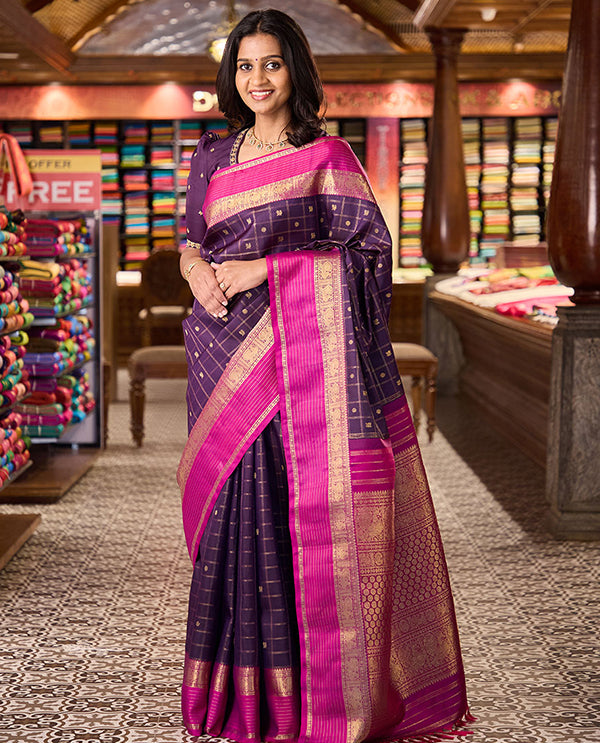
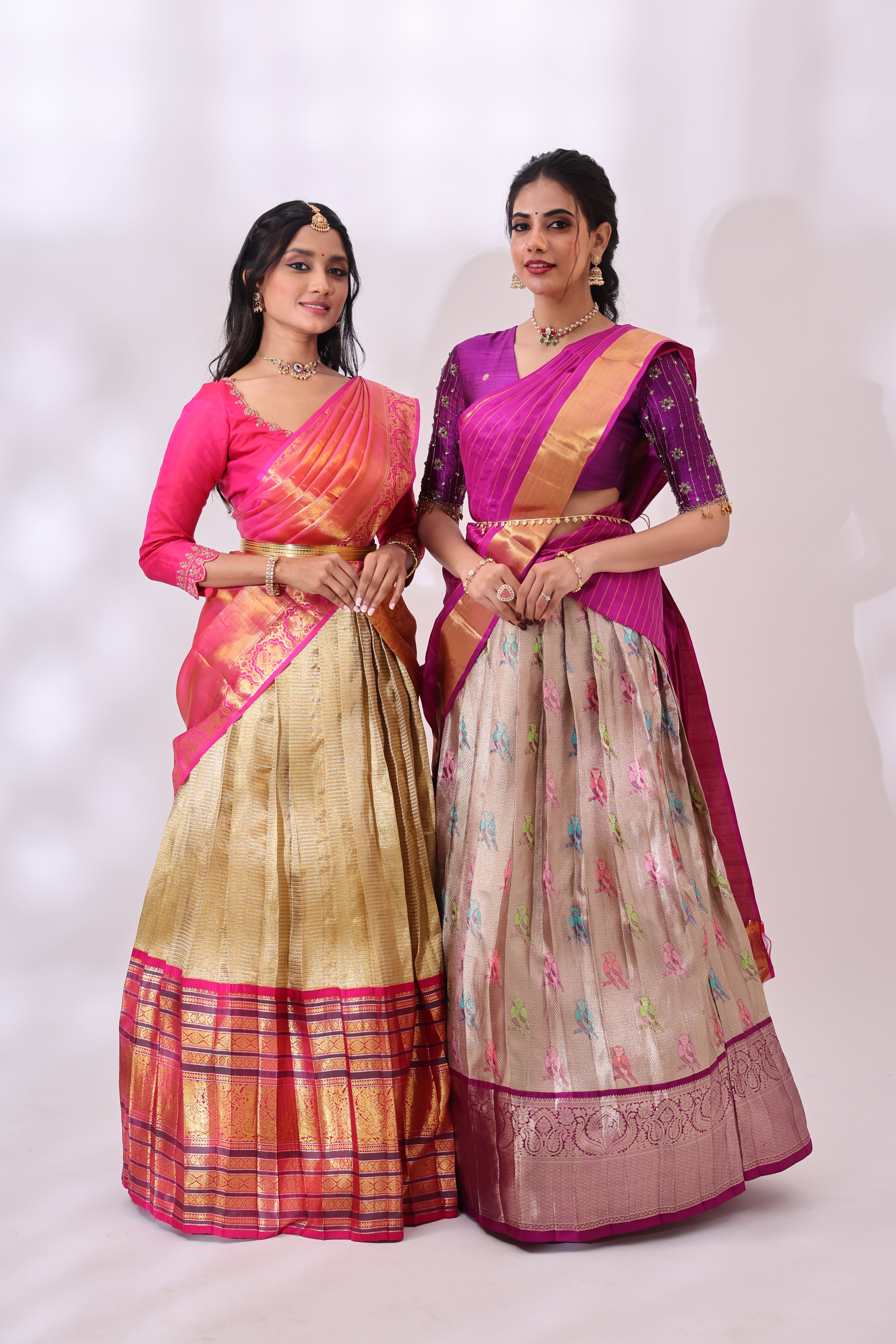
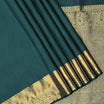
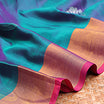
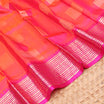
Kanchipuram isn’t just a town; it’s temple bells, determined artisans, and fire-lit looms alive with legacy. Centuries ago, stories tell of weavers brought here by kings to adorn goddesses and queens in silk as luminous as sunrise. Local mulberry silk, pure gold zari from Surat, and temple-inspired motifs- checks for aligned family and cosmic harmony, borders for protection- each carried meaning. Kanchipuram silk sarees were (and still are) draped at weddings as a blessing for longevity, rootedness, and inner radiance. Their heft isn’t just material- it’s the weight of unbroken tradition.
Explore Kanchipuram Silks and discover generational artistry.
Banarasi Silk Sarees - Mughal Grandeur Meets Sacred Varanasi

By the banks of the Ganges, Varanasi’s weavers fused Persian floral motifs with Hindu sacred art, forging what we know as Banarasi silk sarees. From the Mughal period, these sarees became status symbols, adorned by queens and brides for their shimmering zari, intricate jhallar borders, and stories told in buttas: peacocks, elephants, even whole gardens. The Banarasi’s weight and glow made it the ‘wedding saree’ across north India- a tangible promise of prosperity and happiness.
Browse Banarasi Sarees to bring home a piece of regal history.
Mysore, Chanderi, Paithani & More - Local Needs, Timeless Elegance
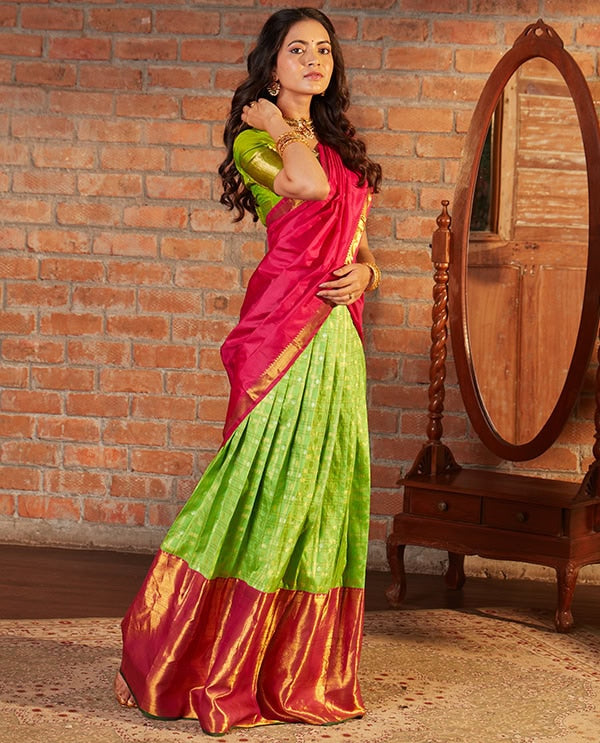
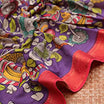
Each region’s silk saree was shaped by its climate and community. Mysore silks are light, plain, and easy to move in, woven for royalty, perfect for Karnataka’s mild climate. Kalamkari from Andhra Pradesh combined silk’s lustre with elegant penmanship, creating wonderful works of art that tell stories in each drape, while keeping it ideal for the warm climate.
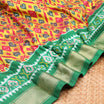
Paithani, from Maharashtra’s Paithan, originated as a tapestry for royalty- its signature peacock and lotus motifs were handpicked by queens and mythologised for their spiritual luck. Mashru silk emerged from cultural traditions that restricted pure silk, blending silk on the outside with cotton inside for comfort. Its name comes from an Arabic word meaning “permitted,” reflecting its unique history and purpose.
Each of these sarees adds to the rich history of our elegant weaves.
The Rise of Semi Silk Sarees

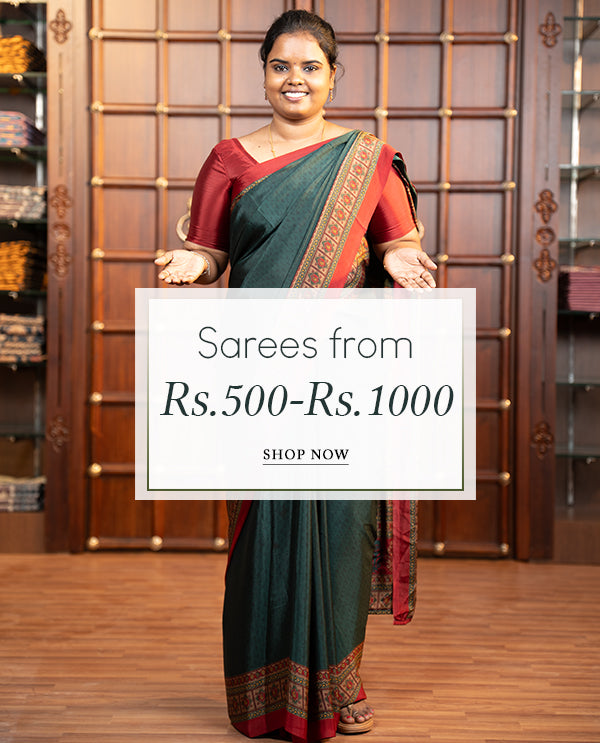
As silk’s prestige spread, artisans began blending silk with art silk or cotton, allowing more families to enjoy the look and feel of types of silk sarees daily. Semi silk sarees offered a shimmering finish and lighter cost; their accessible versatility made them popular among modern, mobile, and younger generations looking to honour tradition without rigid formality.
Browse Pothys’ Semi Silk Sarees for every occasion.
Legacy in Cotton: From Humble Looms to Heirloom Happiness
If silk was born for spectacle, all types of cotton sarees arose from day-to-day life. Indian summers demanded coolness and breathability, and weaving towns transformed locally grown cotton into the saree’s most practical incarnation. Every region imparted a unique personality.

-
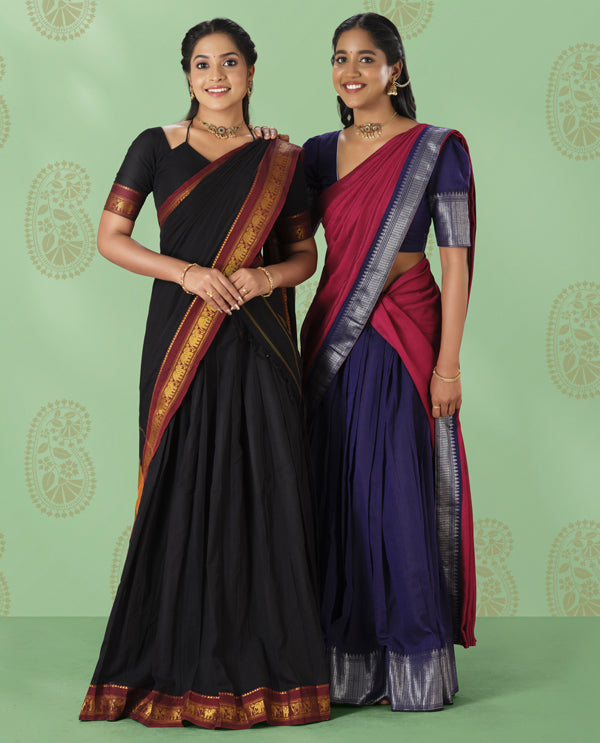
Chettinad Cotton: Crafted for South India’s heartlands, these sarees employed bold checks and vibrant colours, perfectly suited for bustling kitchens, hot summers, and temple visits. Their origins are linked to devout families and merchants who needed both fashion and function. Tradition dictated a daily change, making durability key.
- Kanchi/Kanchipuram Cotton: Sharing similar characteristics with its famous silk cousin, these sarees adapted temple motifs, softening the gold and opting for colourful woven borders. Designed for daily worship, schooldays, and home celebrations, their simplicity is rooted in piety and practicality.
Welcome Chettinad, Kanchi and more cottons to your wardrobe.

-
Chanderi Cotton: Prized since the Vedic era, Chanderi was a favoured gift for poets, priests, and princesses. Its gossamer finish is achieved by weaving fine cotton on traditional looms- a symbol of both royalty and stoic resilience.
- Bengal Tant & Jamdani: Born on the looms of West Bengal, Tant sarees prioritised lightness for the region’s humidity, with bold red or blue borders signalling festivity. Jamdani grew as a luxury, woven from the wishes of Mughal and Bengali royalty- so soft and airy, it became the ‘woven wind’ of folklore.

Kerala Kasavu, Andhra Mangalagiri & More - Culture and Craft

Kasavu sarees, made for Kerala’s Onam and weddings, are white with shimmering gold; their history is tied to temple purity and local festivals. Mangalagiri cottons from Andhra were originally made to clothe temple priests, which is why they feature geometric patterns inspired by sanctum floors. These are sarees for spiritual grace as much as social elegance. Kalamkari sarees, a sustainable, elegant form where penmanship meets craftsmanship, brought forth stories through art- depicting great tales and connecting one to nature.

Handloom cotton sarees thus connect the wearer to all layers of Indian identity- from festival to market, porch to processional path.
Styles, Needs, and Social Story: Why These Weaves Matter

Each style of saree was a response to its place and people. The evolution of saree meant the birth of new motifs for new needs- wedding silks for auspicious beginnings, handloom cottons for sweltering noons or monsoon resilience, semi silk sarees for students and working women seeking glamour that travels. Whether for worship, courtly intrigue, daily necessities, or joyful weddings, these sarees became living symbols of adaptation and beauty.
The Daughters of Pothys: A Note on The Drapes of Living Heritage

At Pothys, we see these sarees as living connections to the past- each one curated carefully, never for novelty, but out of respect for the hands, histories, and visions that spun them. We’ve explored weaving towns, learning from generational artisans and the origin of a single motif or recounting how historical moments led to the weaves of today. Our mission is to bring these ever-elegant silks, handloom cotton sarees, and even semi-silk sarees, giving artisans fair honour and sharing every town’s story as respectfully as possible. And truly, there are many more to explore! We credit the weaver, the dyer, the dreamer behind the loom, for without them, Indian elegance would have no meaning.
By bringing these sarees and their rich heritage to you, we hope you’ll carry the story forward.

With love,
Preethi, Shruti & Punchiri.
FAQs: Saree Weaves & History
Which Indian saree has the oldest history, and why was it created?
Kanchipuram silk sarees and Bengal handloom cottons have some of the oldest, most cherished legacies. Both originated for their local climate and spiritual needs- Kanchipuram’s for temple and wedding ritual, Bengali cottons for ease in a humid, festival-filled landscape. Most historic styles were community inventions, crafted as much for function as for beauty.
How did semi-silk sarees become so popular in India?
Semi silk sarees originated as a practical solution- offering the lustre and richness of traditional silks using modern blends, making them more affordable and versatile. Today, they are ideal for everyday use, festive wear, and travel, offering a practical link between ancient artistry and contemporary living.
What’s special about handloom cotton sarees from different towns?
Each region’s handloom cotton saree reflects local needs, climate, and cultural symbolism. Chettinad’s checks speak of vibrant temple life; Chanderi’s translucence nods to royalty; Bengal’s Jamdani is legendary for feathery lightness. Together, they make India’s saree map endlessly rich- and every Pothys collection is an invitation to explore those stories.