










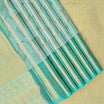
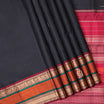
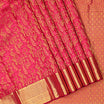
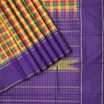









Different Types of Silk Sarees: From Kanjivaram to Banarasi - Understanding the Unique Styles
Have you ever admired a silk saree but felt unsure about which type would actually suit your style, occasion, or comfort preference? With so many options available, choosing the right silk saree can often feel confusing. Some sarees feel rich and grand with detailed zari work, while others are soft, lightweight, and easier to drape. Without understanding what makes each silk weave different, finding the perfect saree may feel overwhelming.
From wedding celebrations to festive gatherings and family occasions, every silk saree carries its own craftsmanship, texture, and regional identity. Understanding the different types of silk sarees can make shopping much easier, helping you choose a saree that suits your personal preference and celebration needs.
India is home to an extraordinary variety of silk sarees, each admired for its unique weaving style and traditional appeal. In this blog, we explore the most loved types of silk sarees in India, what makes them unique, and how to choose the right silk saree for different occasions and preferences.
The Rich Heritage Behind Silk Sarees
Silk sarees have remained an important part of Indian tradition for generations because of their elegance, craftsmanship, and cultural significance. Whether worn during weddings, festive celebrations, or meaningful family occasions, silk sarees continue to be treasured for their timeless beauty.
One of the reasons silk sarees continue to remain loved is the incredible variety of silk sarees available across different regions of India. Every weaving tradition reflects unique craftsmanship, motifs, textures, and styling approaches that make each saree distinct.
Exploring the types of silk sarees in India helps buyers understand these weaving traditions better while making it easier to find a saree suited to personal style and celebration needs.

Silk Sarees Known for Their Unique Appeal

India is home to many beautiful silk sarees, each admired for its craftsmanship, texture, and traditional appeal. Here are some of the most loved different silk sarees worth exploring.
Kanjivaram Silk Sarees
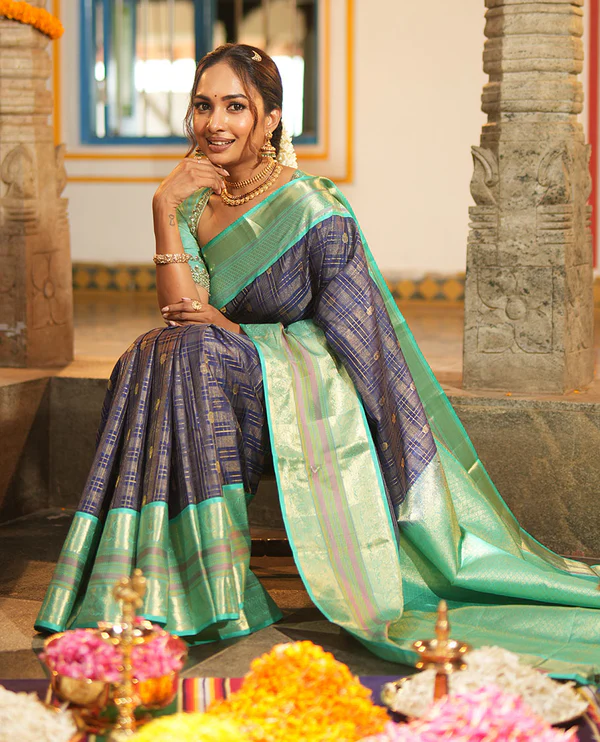
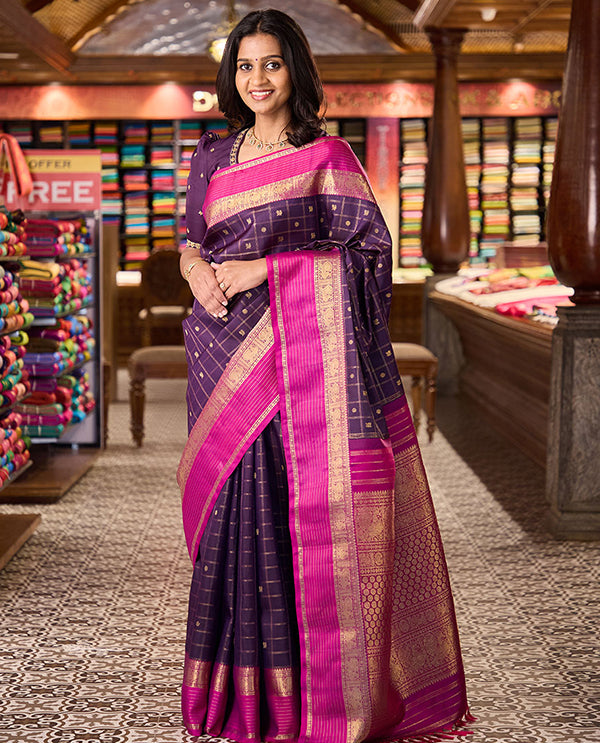
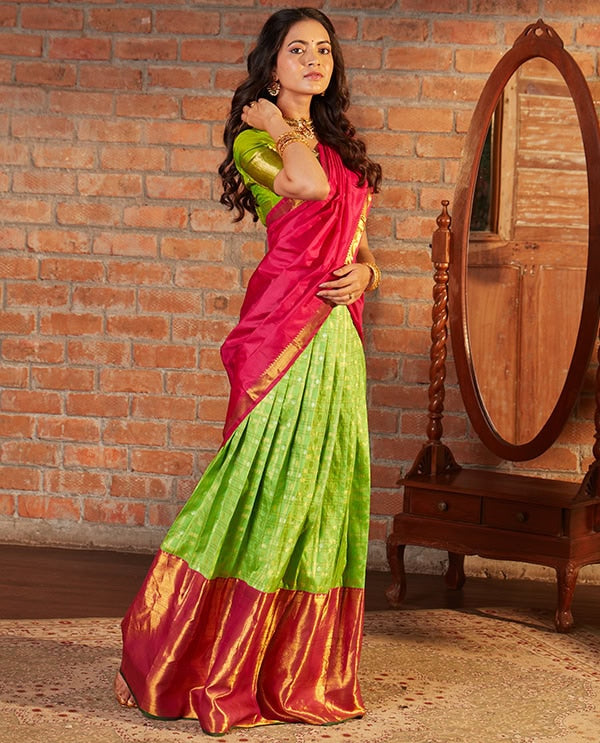
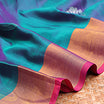
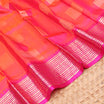
Kanjivaram silk sarees are among the most recognised traditional silk sarees, admired for their rich texture, vibrant colours, and intricate zari work. Originating from Tamil Nadu, these sarees are often chosen for weddings and grand celebrations because of their luxurious appearance and durability. Their bold motifs, elegant detailing, and timeless appeal make Kanjivaram sarees a cherished choice for traditional wear.
Banarasi Silk Sarees
Banarasi silk sarees are admired for their luxurious weaving, intricate brocade work, and detailed motifs inspired by traditional artistry. Floral patterns and zari detailing create a regal and festive appearance. These sarees are often chosen for weddings, receptions, and cultural celebrations because of their rich craftsmanship and elegant styling.
Mysore Silk Sarees
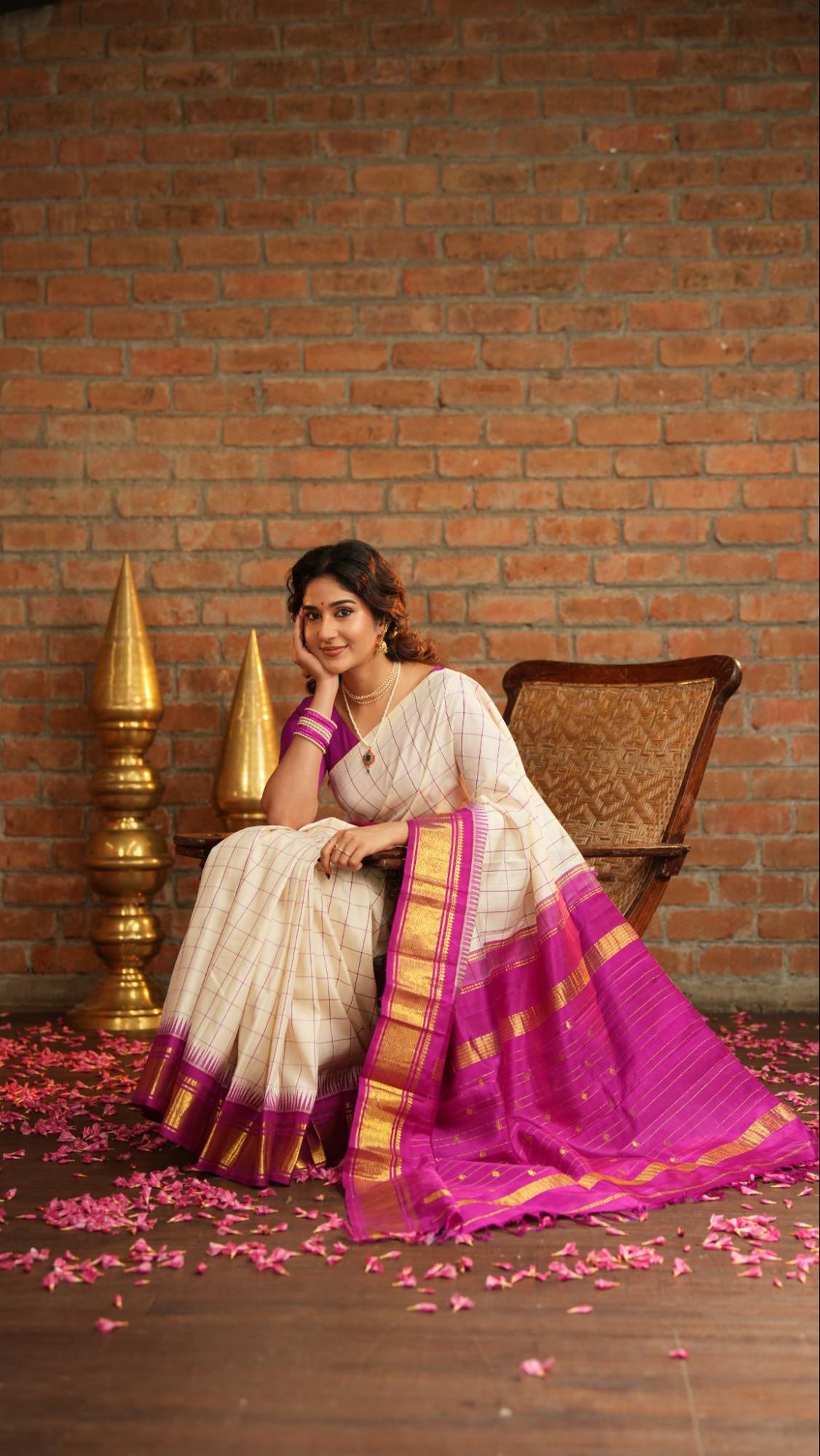
Mysore silk sarees are appreciated for their smooth texture, lightweight feel, and understated elegance. Unlike heavily woven festive silks, Mysore silk sarees offer a softer and more refined appearance while still maintaining the richness associated with silk. Their graceful drape makes them especially suitable for festive gatherings, daytime functions, and elegant traditional styling.
Vasundhara Silk Sarees
Vasundhara silk sarees beautifully combine traditional aesthetics with refined elegance. Known for their graceful drape and softer texture, these sarees are ideal for festive occasions, family functions, and cultural gatherings. Their elegant finish makes them especially appealing to women who prefer understated sophistication in traditional wear.
Soft Silk Sarees
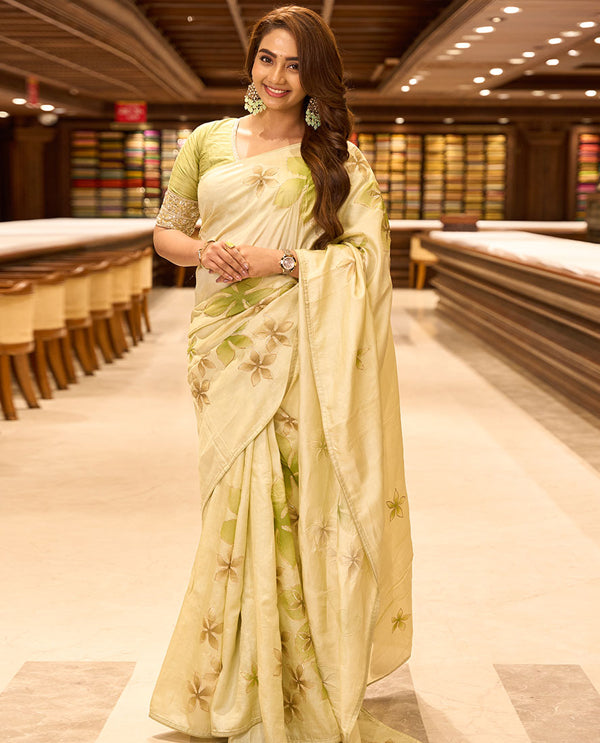
Soft silk sarees have become increasingly popular because of their lightweight comfort and graceful festive appeal. Easier to drape and carry, these sarees offer elegance without feeling overly heavy. Their versatility makes them suitable for festive gatherings, receptions, and celebrations where comfort matters alongside style.
Tussar Silk Sarees
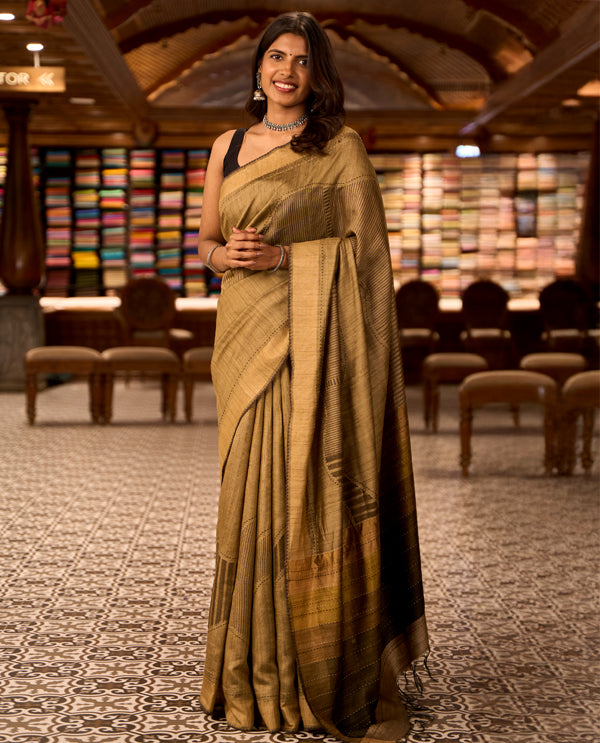
Tussar silk sarees are admired for their naturally textured finish and understated sophistication. Unlike glossy silk sarees, Tussar silk carries a more earthy and refined appeal that feels graceful and elegant. Their handcrafted texture makes them especially suitable for cultural occasions and women who appreciate minimal festive styling.
What Makes Every Silk Saree Style Unique?
While silk sarees may appear similar at first glance, every weave differs in texture, detailing, drape, and styling appeal.
For example, Kanjivaram and Banarasi silk sarees are admired for their rich weaving and festive grandeur, making them ideal for weddings and grand celebrations. Mysore silk and soft silk sarees, on the other hand, are preferred for their lightweight feel and elegant simplicity.
The weaving technique also influences how the saree feels when worn. Some silk sarees create structured festive looks, while others drape softly for a more graceful and effortless appearance. Understanding these differences makes it easier to explore the variety of silk sarees and choose styles that suit both comfort and celebration needs.

Things to Consider Before Choosing a Silk Saree
With so many different types of silk sarees available, choosing the right one becomes easier when you understand what suits your personal style, comfort, and preferences. Beyond colours and designs, a few practical factors can help narrow down the right choice.
Choose Based on the Weight of the Saree
Some silk sarees are richly woven and feel heavier, while others are lightweight and easier to drape. If comfort and ease of movement matter, softer silk sarees may feel more convenient for longer wear.
Pay Attention to Texture and Finish
Every silk saree has a different texture and overall appearance. Some sarees have a smooth and polished finish, while others carry a slightly textured look that creates a more natural and understated appeal.
Consider the Level of Detailing
Silk sarees also vary in weaving patterns, zari work, and motifs. Heavily detailed sarees create a grand traditional appearance, while simpler designs offer understated elegance that feels easier to style. Understanding these details can make exploring the variety of silk sarees feel much easier while helping you choose a saree that feels both beautiful and comfortable.
Simple Styling Tips to Enhance the Beauty of Your Silk Saree

The beauty of a silk saree can be elevated with the right styling choices. Jewellery, blouse selection, and footwear all play an important role in bringing together a graceful traditional look.
Jewellery
When it comes to jewellery, choosing pieces that complement the richness of the saree often works best. Traditional gold jewellery pairs beautifully with richly woven silk sarees, while silver-toned accessories work well with softer weaves and lighter zari detailing. Statement necklaces, temple jewellery, elegant chokers, and classic jhumkas can instantly elevate the overall appearance.
Footwear
Choosing comfortable yet elegant footwear helps complete the traditional look. Embroidered juttis and mojaris pair beautifully with silk sarees and add a graceful ethnic touch. For women who prefer extra height and comfort, wedges or block heels also complement silk sarees effortlessly.
Blouse Selection
The blouse plays an important role in enhancing the overall beauty of the silk saree. Contrasting blouse colours often create a striking appearance, while zari-detailed or embroidered blouses beautifully complement festive silk sarees. Choosing the right blouse can help balance the richness, texture, and elegance of the saree.
How to Care for and Maintain Your Silk Saree
When cared for properly, silk sarees can remain beautiful for years and often become treasured pieces passed down across generations. A few simple care practices can help preserve the richness, colour, and texture of silk sarees.
Avoid Frequent Washing
Since silk is a delicate fabric, frequent washing is not always necessary. Cleaning silk sarees only when required helps maintain their texture and appearance. Professional dry cleaning is often recommended to preserve the quality of the fabric.
Keep Away from Direct Sunlight
Direct sunlight can gradually affect the richness of silk fabrics and may cause colours to fade over time. Storing silk sarees in a cool, dry place away from harsh sunlight helps preserve their beauty for longer.
Store with Care
Proper storage plays an important role in maintaining silk sarees. Folding carefully helps prevent damage and deep creases. Refolding sarees occasionally and storing them in cotton or muslin cloth can help maintain freshness while protecting the fabric over time.
Explore a Beautiful Variety of Silk Sarees at Pothys

Choosing between different silk sarees becomes easier when you can compare a wide range of weaves, textures, and traditional styles in one place. For generations, Pothys has remained a trusted destination for women looking to explore an exceptional variety of silk sarees that beautifully reflect India's rich weaving traditions. Established in 1935, Pothys has built a strong legacy of offering premium quality silk sarees known for craftsmanship, authenticity, and timeless elegance.
Whether you are drawn to the grandeur of Kanjivaram silks, the intricate artistry of Banarasi sarees, the lightweight elegance of Mysore silks, or the graceful appeal of Vasundhara sarees, the collection offers thoughtfully curated options across multiple weaving styles. This makes it easier to understand and explore the different types of silk sarees without compromising on quality or craftsmanship.
Along with a wide selection of silk sarees, Pothys also offers custom-made blouse stitching options for a coordinated traditional look. With international shipping available, discovering elegant silk sarees inspired by India's rich weaving heritage becomes more convenient from anywhere in the world.
FAQs
What are the different types of silk sarees?
Some of the most popular different types of silk sarees include Kanjivaram, Banarasi, Mysore, Vasundhara, soft silk, and Tussar silk sarees.
Which are the most popular types of silk sarees in India?
Among the widely loved types of silk sarees in India are Kanjivaram silk sarees, Banarasi silk sarees, Mysore silk sarees, and Tussar silk sarees.
Which silk saree is best for weddings?
Kanjivaram and Banarasi silk sarees are often preferred for weddings because of their rich weaving, intricate detailing, and festive appeal.
What makes different silk sarees unique?
Different silk sarees vary in weaving style, texture, drape, zari work, and regional craftsmanship, which gives every saree its own unique appeal.
How do I choose from the variety of silk sarees available?
Choosing from the variety of silk sarees depends on the occasion, preferred drape, comfort level, and personal styling preference.